BPC-157 Research Guide: What Scientists Need to Know
What is BPC-157?
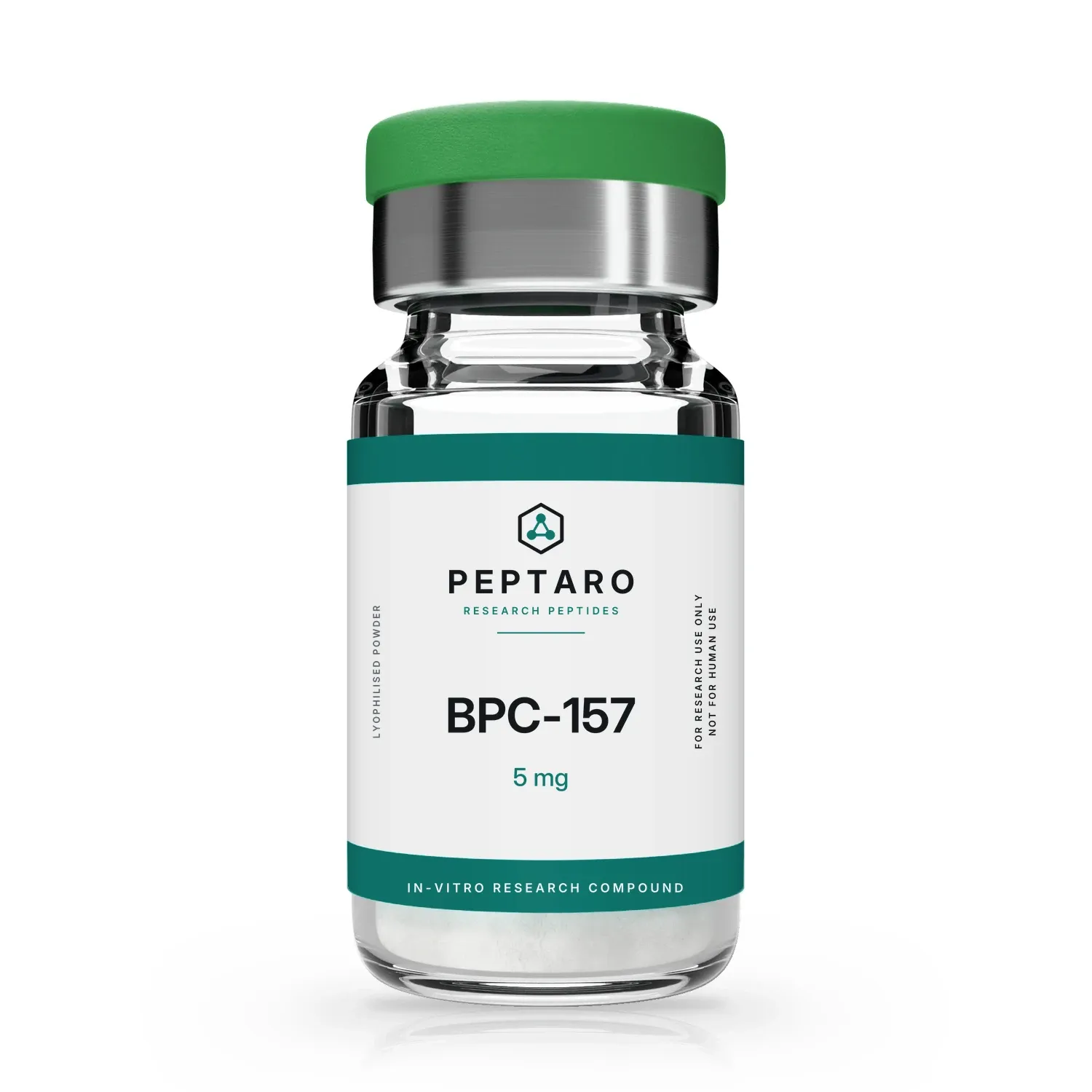
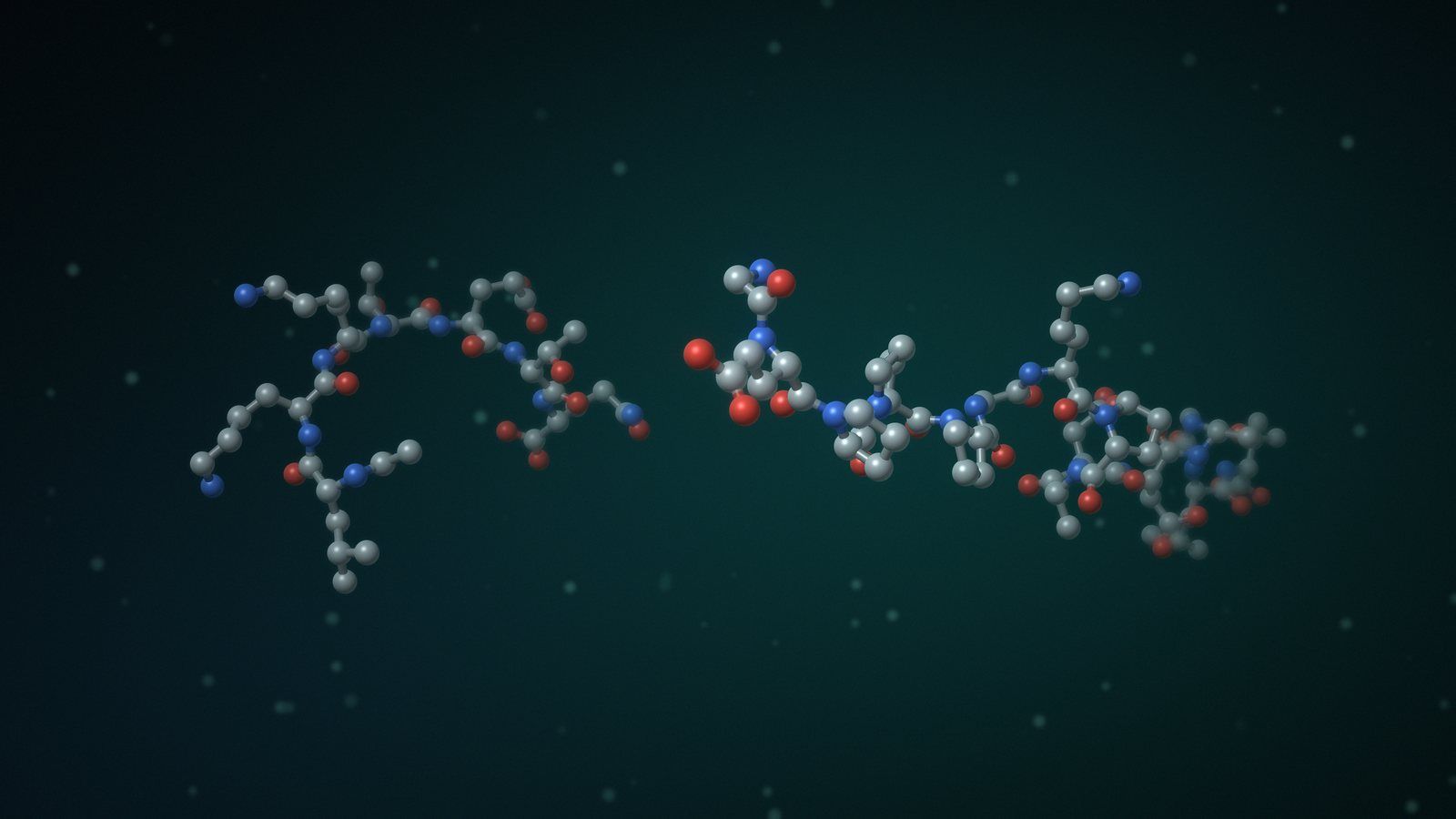
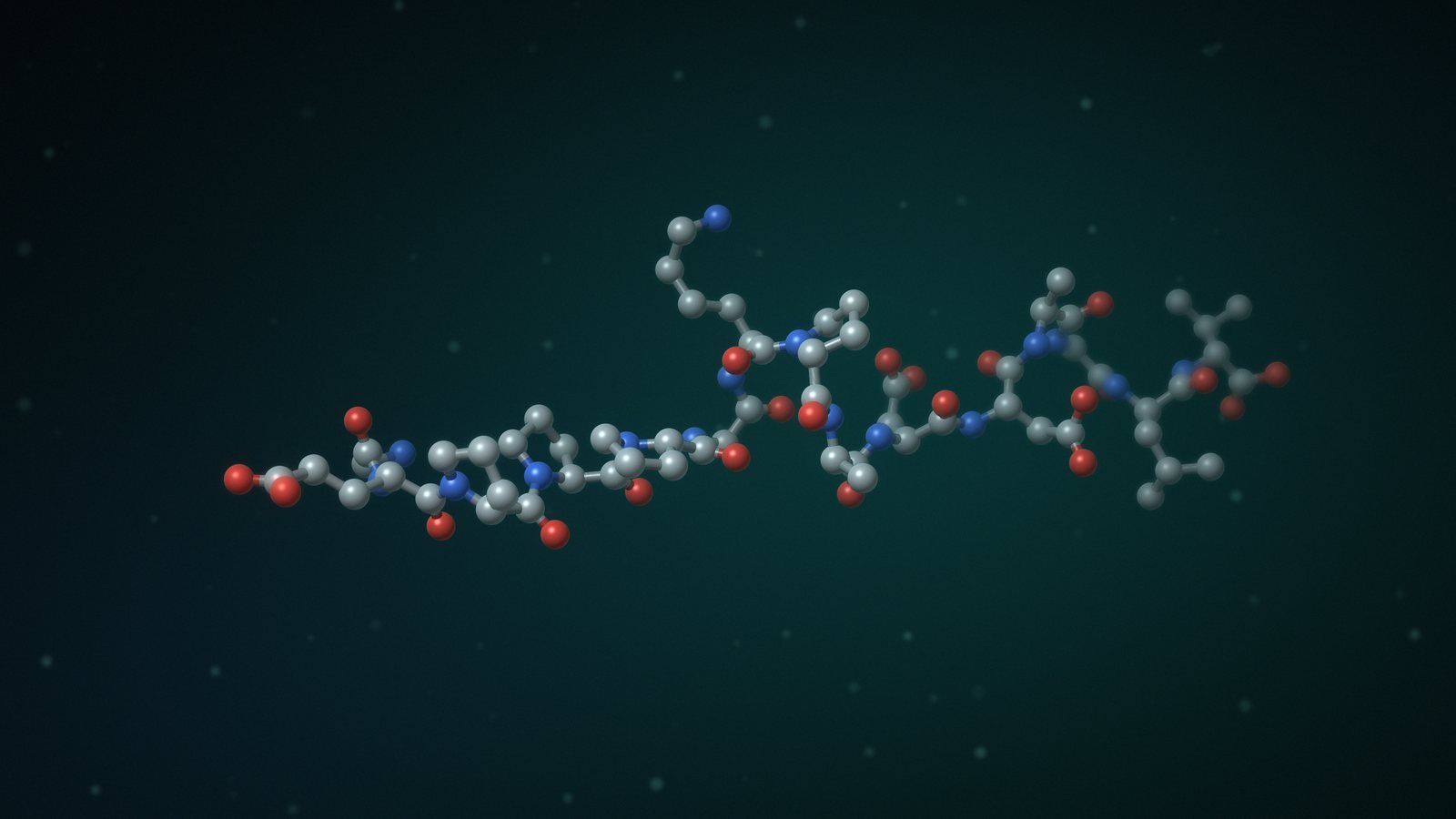
BPC-157 (Body Protection Compound-157) is a synthetic pentadecapeptide consisting of 15 amino acids. It is derived from a partial sequence of body protection compound found in human gastric juice. As a stable gastric pentadecapeptide, BPC-157 has become one of the most widely studied research peptides in preclinical science, with a substantial body of literature examining its role in tissue integrity, inflammation signalling, and cellular repair pathways.
For researchers looking to source research-grade BPC-157 in the UK, Peptaro supplies high-purity BPC-157 with full batch documentation and cold chain storage.
Molecular Structure and Stability
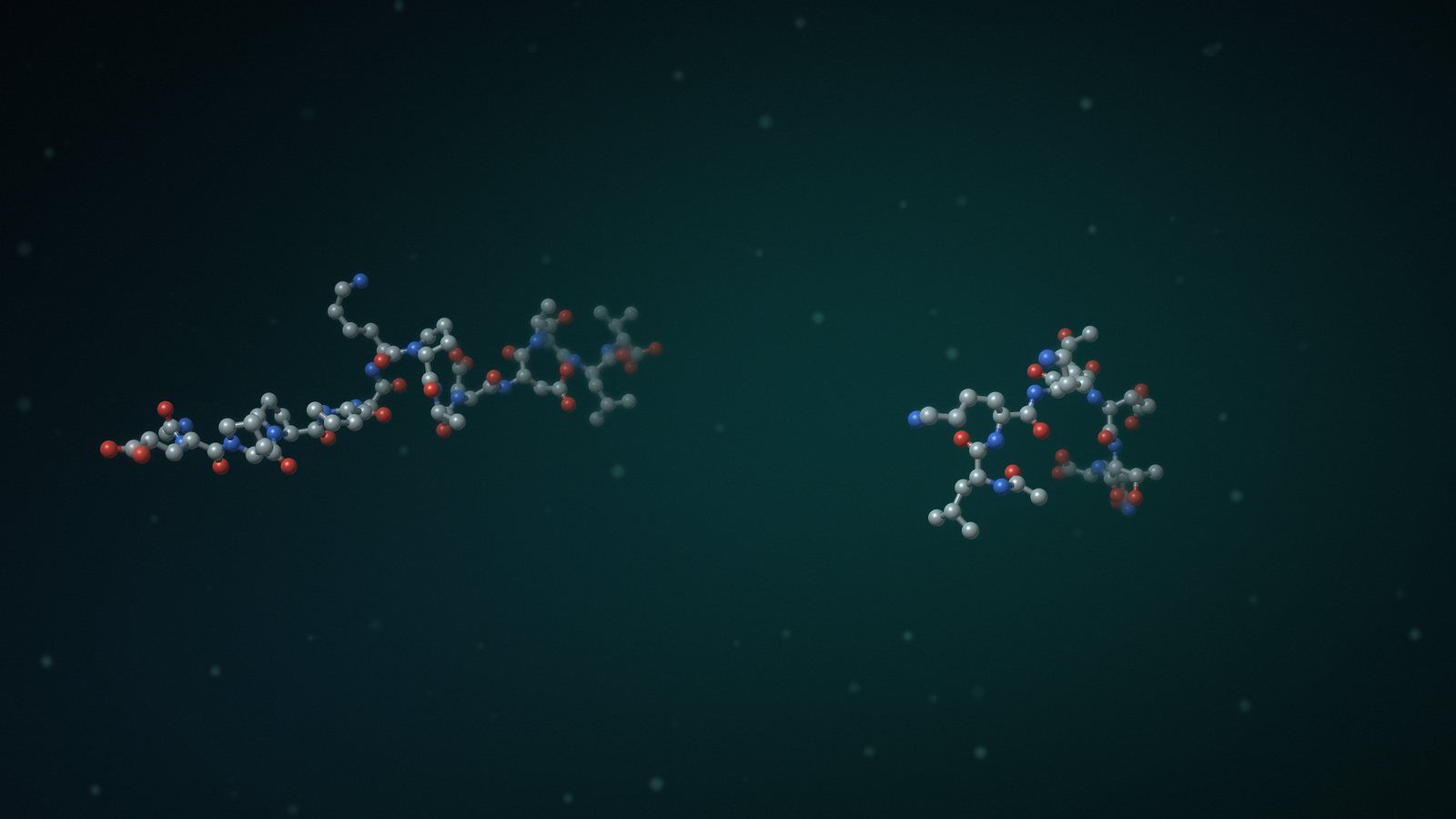
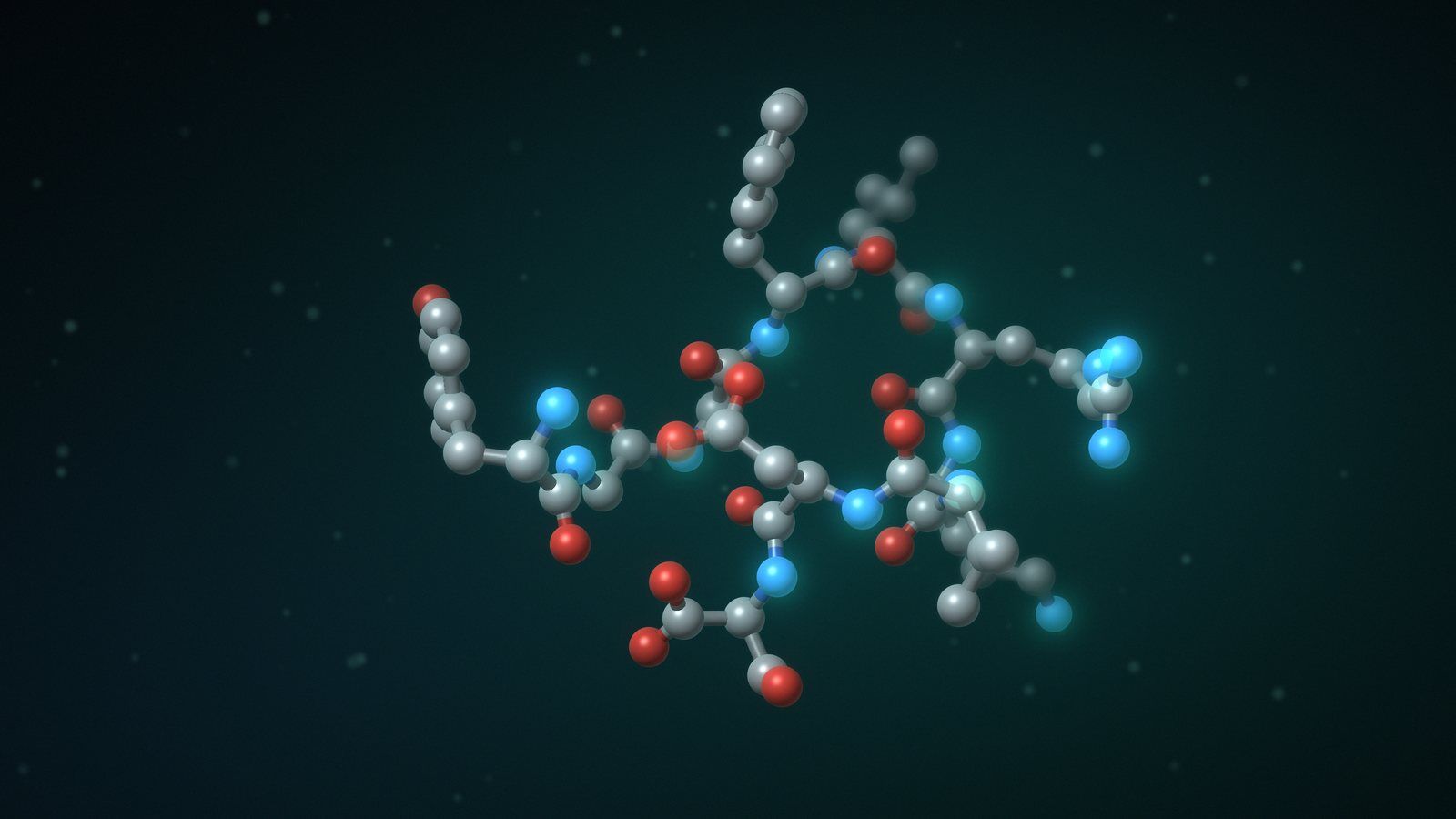
BPC-157 has the amino acid sequence Gly-Glu-Pro-Pro-Pro-Gly-Lys-Pro-Ala-Asp-Asp-Ala-Gly-Leu-Val and a molecular weight of approximately 1,419 Da. One of its most notable characteristics from a research standpoint is its stability, unlike many peptides, BPC-157 remains stable in human gastric juice, which makes it a robust subject for in-vitro and in-vivo research models. It is supplied as a lyophilised white powder and should be reconstituted with bacteriostatic water before use in laboratory settings.
Research Applications
BPC-157 is primarily studied in the context of tissue repair and inflammatory pathway research. Preclinical studies have investigated its interactions with growth hormone receptors, nitric oxide systems, and angiogenic pathways. Research has examined its behaviour in models relating to tendon and ligament tissue, gastrointestinal mucosal integrity, and neurological signalling. It has also been studied alongside growth factors such as VEGF in models exploring wound healing and vascular biology.
In laboratory settings, BPC-157 is frequently used in cell culture models and rodent studies. Researchers studying cytokine expression, fibroblast activity, and collagen synthesis have found it a useful tool for examining repair-related biological pathways.
Many researchers also study BPC-157 in combination with TB-500 to examine potential synergistic effects in tissue repair models. For a detailed comparison of these two peptides, see our TB-500 vs BPC-157 comparison guide.
Sourcing Research-Grade BPC-157 in the UK
For researchers based in the UK, sourcing verified research-grade BPC-157 from a domestic supplier reduces customs risk and ensures faster, more reliable delivery. Peptaro supplies research-grade BPC-157 sourced from GMP certified manufacturers, supplied as lyophilised powder with full batch documentation. All products are strictly for in-vitro laboratory research use only. Vial sizes and pricing are listed on the BPC-157 UK buy page.
Research use only. For in-vitro laboratory research use only. Not for human or veterinary use. This article summarises published preclinical literature for laboratory researchers and is not medical advice.