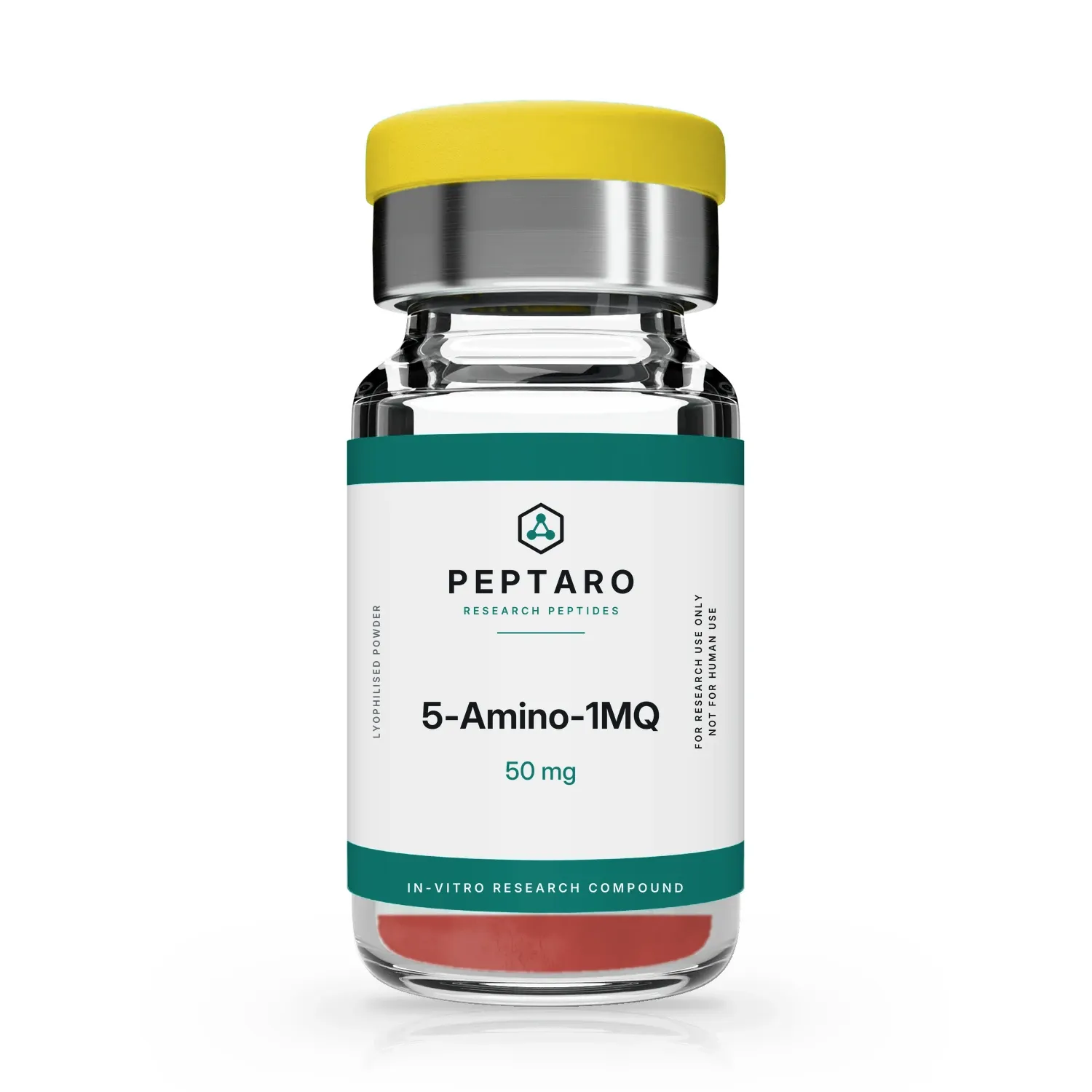
5-Amino-1MQ
10mg · 50mg
In Stock · Ready to Shipfrom £29.99from £0.70/mg
99.119% RP-HPLCJanoshik AnalyticalBatch UKPL-2195
£38.99£0.03/mg
In Stock · Ready to Ship
Minimum order £299.00 per basket: mix any products. Research kits meet it on their own.
Dispatched same day if ordered by 3pm (Mon–Fri) · Royal Mail Tracked 24
| Vials in basket | Per vial | Saving |
|---|---|---|
| 1–2 | £38.99 | — |
| 3+ | £37.04 | 5% |
| 5+ | £35.87 | 8% |
| 10+ | £34.31 | 12% |
Discounts are basket-wide: mix any vials.
Documentation for each item ships with your order.
For in-vitro laboratory research use only. Not for human or veterinary use.
Documentation for each item ships with your order. The batch number printed on your vial matches it.
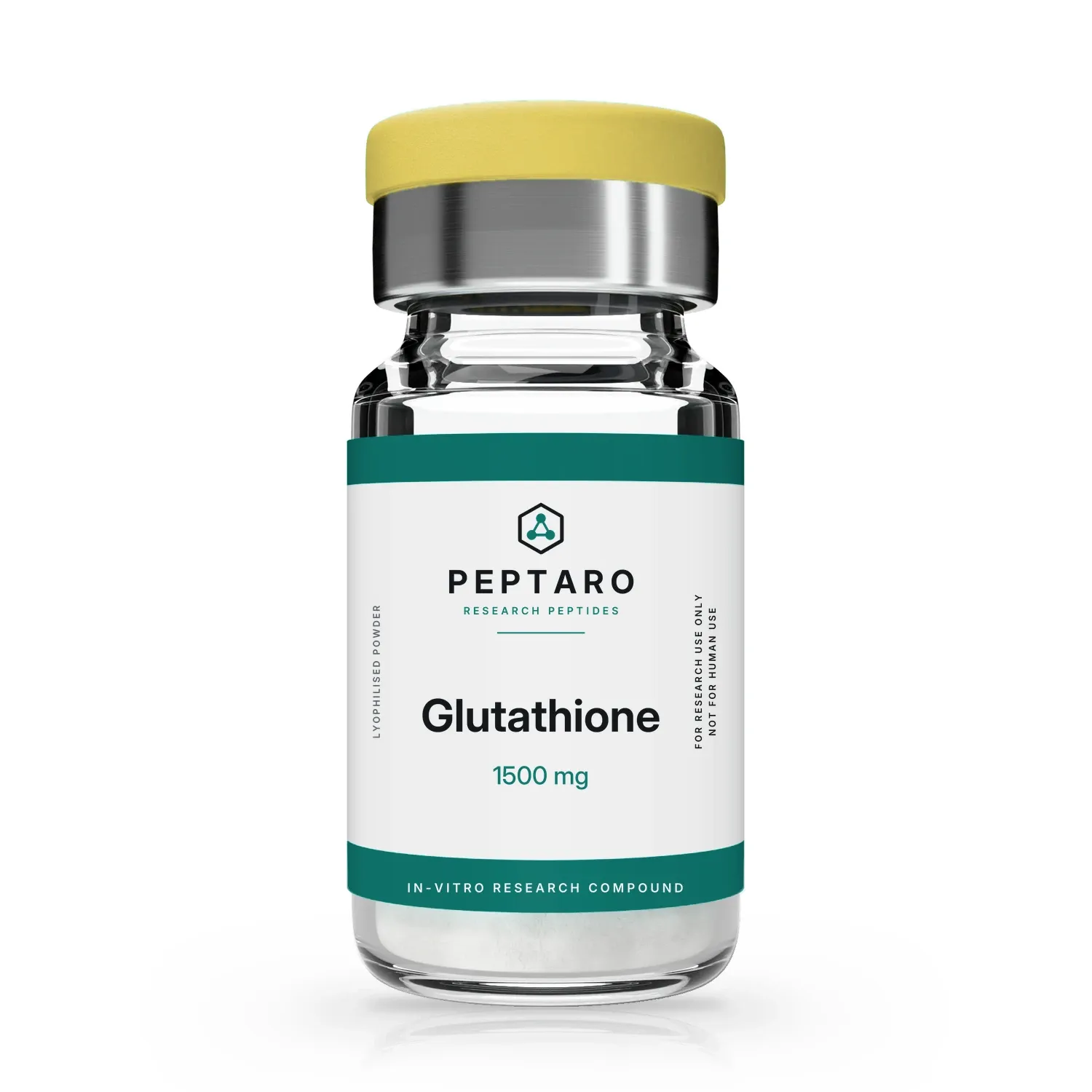
Glutathione (GSH, γ-L-glutamyl-L-cysteinyl-glycine) is a tripeptide composed of glutamate, cysteine and glycine, and the most abundant non-protein thiol in mammalian cells. It is synthesised intracellularly via a two-step ATP-dependent pathway and is present at millimolar concentrations in most tissues, with highest levels in the liver. Research has investigated its central role as the principal endogenous antioxidant, an electrophile scavenger, and the substrate for glutathione peroxidase and glutathione S-transferase enzymes in oxidative stress, detoxification and phase II xenobiotic conjugation pathways. The reduced (GSH) to oxidised (GSSG) ratio is one of the most widely measured redox parameters in cell biology research. Supplied as lyophilised powder, 1500mg per vial, third-party tested with certificate of analysis published on this page.
Glutathione (GSH) is the tripeptide γ-L-glutamyl-L-cysteinyl-glycine, the most abundant non-protein thiol in mammalian cells. We supply reduced glutathione as 1500mg of lyophilised powder per vial, for redox and oxidative-stress research.
Its three residues are glutamate, cysteine and glycine. Glutamate joins cysteine through its gamma-carboxyl group, not the alpha-carboxyl of an ordinary peptide bond. The formula is C₁₀H₁₇N₃O₆S, the molecular weight 307.32 g/mol and the CAS number of the reduced form 70-18-8.
Cells make it in the cytosol in two ATP-dependent steps. Glutamate cysteine ligase is the rate-limiting enzyme, glutathione synthetase the second, and cysteine supply governs the rate (Lu, Biochim Biophys Acta, 2013). Tissue levels are millimolar, highest in the liver.
Typical uses are oxidative-stress models with GSH depletion as the readout, glutathione peroxidase and glutathione S-transferase assays, and GSH:GSSG measurements. Work on GSH synthesis looks at glutamate cysteine ligase and its regulation by Nrf2 through the antioxidant response element, AP-1 and NF-κB (Lu, 2013).
GSH is the reduced form, with a free thiol on its cysteine. GSSG is the disulfide formed when two GSH molecules are oxidised together. Glutathione reductase converts GSSG back to GSH using NADPH. The GSH:GSSG ratio is one of the most widely measured redox parameters in cell biology. Dissolved GSH oxidises in air, so solutions for ratio work need protecting from oxygen.
Glutathione (gamma-L-glutamyl-L-cysteinyl-glycine; GSH) is the principal low-molecular-weight thiol antioxidant of mammalian cells, with the molecular formula C₁₀H₁₇N₃O₆S, a molecular weight of 307.32 g/mol and CAS number 70-18-8. It is a tripeptide in which cysteine is flanked by glutamate and glycine, and, unusually, glutamate is joined to cysteine through its gamma-carboxyl group rather than the alpha-carboxyl used in an ordinary peptide bond. That gamma-glutamyl linkage is functionally important: it makes GSH resistant to the peptidases that would otherwise degrade a normal tripeptide, so intracellular GSH is cleaved only by gamma-glutamyl transpeptidase on the extracellular face of the plasma membrane. Biosynthesis is a two-step, ATP-dependent pathway (Meister and Anderson, Annual Review of Biochemistry, 1983): glutamate-cysteine ligase condenses glutamate and cysteine to gamma-glutamylcysteine, and glutathione synthetase then adds glycine. Because the first enzyme is both feedback-inhibited by GSH and limited by cysteine supply, cysteine availability is the dominant control point for synthesis (Lu, Biochimica et Biophysica Acta, 2013). Glutathione functions as a cellular redox buffer: it cycles between the reduced thiol form (GSH) and the oxidised disulfide (GSSG) through NADPH-dependent glutathione reductase, and healthy cells maintain a GSH:GSSG ratio of roughly 100:1. It acts as a direct radical scavenger, as the obligate electron donor for the glutathione peroxidases that reduce hydrogen peroxide and lipid peroxides, and as a substrate for the glutathione S-transferases that conjugate electrophiles and xenobiotics for export (Forman, Zhang and Rinna, Molecular Aspects of Medicine, 2009). Sies (Free Radical Biology and Medicine, 1999) framed these combined roles as a general cellular defence system against oxidative challenge, and the same review literature documents a well-replicated decline in tissue GSH with age. For experimental work the key practical point is that reduced GSH is air-oxidisable: dissolved GSH dimerises to GSSG on exposure to oxygen, so any assay of the reduced form must protect the thiols, by acid precipitation, alkylation or a reducing environment, if the GSH:GSSG couple is the measurement of interest.
Store glutathione powder at -20°C, away from light and moisture. Once reconstituted, keep it at 2-8°C and use it within 4 weeks. For GSH:GSSG work, make solutions fresh or aliquot and freeze them at once, and avoid repeated freeze-thaw cycles.
Vials are sold on their own, without bacteriostatic water for mixing or other supplies.
How to reconstitute and handle
Let the vial reach room temperature and swab the stopper with alcohol. Add bacteriostatic water slowly down the inside wall and swirl gently until the powder dissolves. Do not shake. Reconstitute only what you need and keep headspace small, because reduced glutathione oxidises in air.
For the full method, see the peptide reconstitution guide and the reconstitution calculator.
Published research on Glutathione is indexed on PubMed. See our full UK buyer's guide for Glutathione and UK buyer's guide for Glutathione CoA.
| CAS number | 70-18-8 |
|---|---|
| Molecular formula | C₁₀H₁₇N₃O₆S |
| Molecular weight | 307.32 g/mol |
| Sequence | γ-Glu-Cys-Gly (reduced form) |
| Form | White lyophilised powder |
| Release specification | ≥98.0% |
Store sealed lyophilised vials at −20 °C, protected from light and moisture. For preparation, aliquoting and storage of reconstituted stock, see the laboratory reconstitution guide and the concentration calculator.
Glutathione is a tripeptide, gamma-L-glutamyl-L-cysteinyl-glycine, with the molecular formula C₁₀H₁₇N₃O₆S, a molecular weight of 307.32 g/mol and CAS number 70-18-8. It is the principal low-molecular-weight thiol antioxidant of mammalian cells and is supplied here as lyophilised powder for in-vitro research use only.
Yes. Glutathione is a short peptide of three amino acids, glutamate, cysteine and glycine, joined in the order gamma-Glu-Cys-Gly. Its first bond is an unusual gamma-glutamyl linkage, which is why it is written gamma-L-glutamyl-L-cysteinyl-glycine rather than as an ordinary tripeptide. The same gamma-bond is what makes GSH resistant to most peptidases.
GSH is the reduced thiol form and GSSG is the oxidised disulfide formed when two GSH molecules couple through their cysteine sulfur atoms. The two are interconverted by NADPH-dependent glutathione reductase, and the ratio of GSH to GSSG, roughly 100:1 in healthy cells, is used as an index of the cellular redox state. Oxidised glutathione absorbs more strongly at 260 nm, and the reduced form must be protected from air oxidation during assay.
Glutathione is studied as a redox buffer and antioxidant in oxidative-stress models, as the electron donor for glutathione peroxidase assays, as a substrate for glutathione S-transferase conjugation studies, and for work on protein S-glutathionylation and xenobiotic metabolism. It is supplied for laboratory research and is not for human or veterinary use.
The current batch, UKPL-2195, is 99.119% pure by HPLC with a published certificate of analysis, and a 1500 mg content per vial. Purity is reported as a chromatographic area percentage, and the certificate is published on this page. Supplied strictly for in-vitro laboratory research.
Glutamate, cysteine and glycine, in the order γ-Glu-Cys-Gly. The glutamate-to-cysteine bond runs through the gamma-carboxyl group, hence the full name γ-L-glutamyl-L-cysteinyl-glycine.
It is an informal label, not a scientific term. Glutathione is the most abundant low-molecular-weight thiol that cells make. It reduces oxidants, conjugates electrophiles and helps hold cellular redox balance (Forman et al., 2009).
Yes. In air, the thiol of reduced glutathione (GSH) oxidises and two molecules join as the disulfide GSSG. Keep solutions cold and use them promptly.
Reduced glutathione (GSH), CAS 70-18-8, as 1500mg of white lyophilised powder. Once dissolved it starts to oxidise in air.
No. Peptaro supplies Glutathione 1500mg strictly for in-vitro laboratory research. It is not a medicine and is not for human or veterinary use, and we don't give usage advice.
Store sealed lyophilised vials at −20 °C, protected from light and moisture. For preparing and aliquoting stock solutions, see the laboratory reconstitution guide.
Orders placed by 3pm Monday to Friday (excluding bank holidays) are dispatched the same working day by Royal Mail Tracked 24. Delivery is free, tracked and cold-packed. The minimum order is £299.
10mg · 50mg
In Stock · Ready to Ship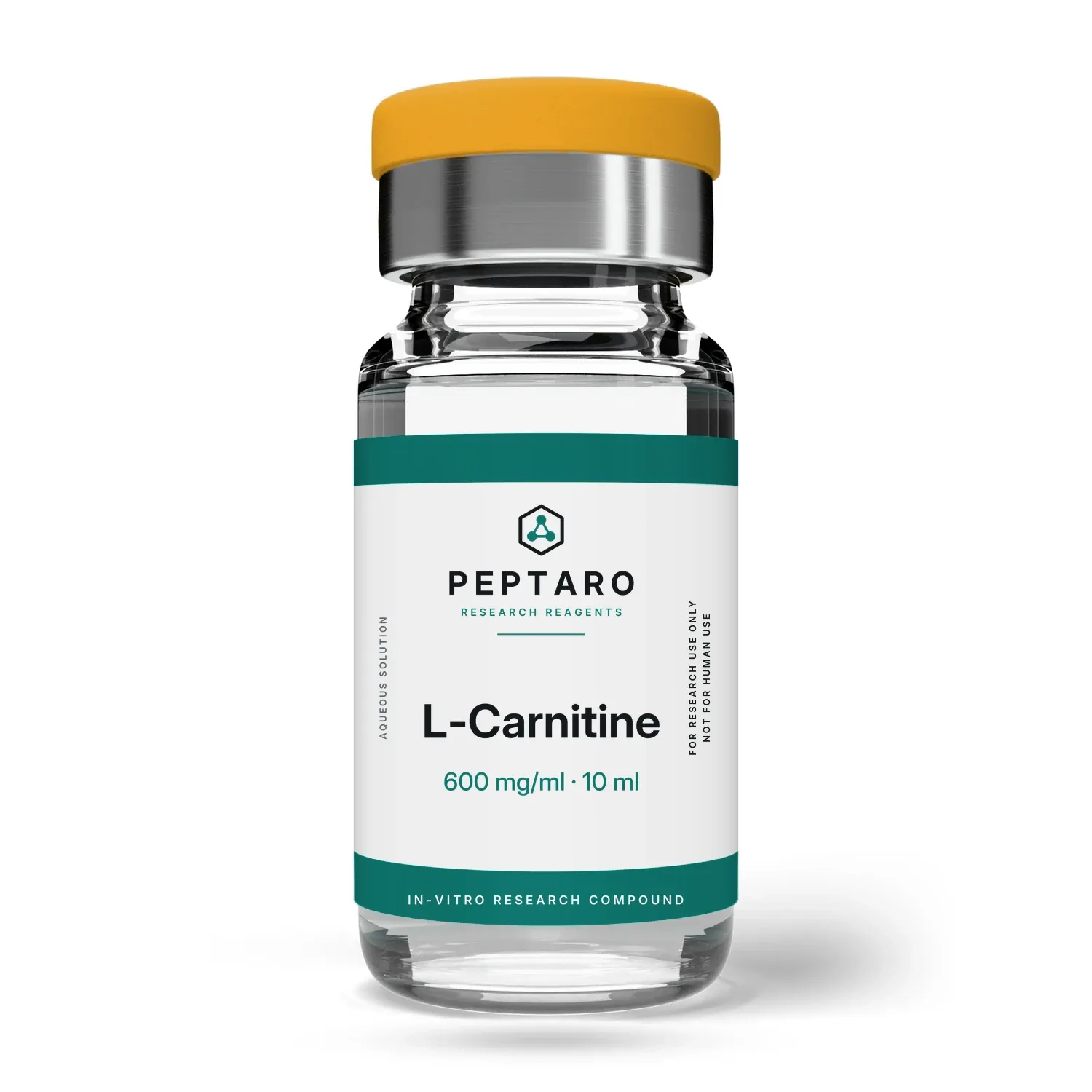
600mg/ml,10ml
Not yet available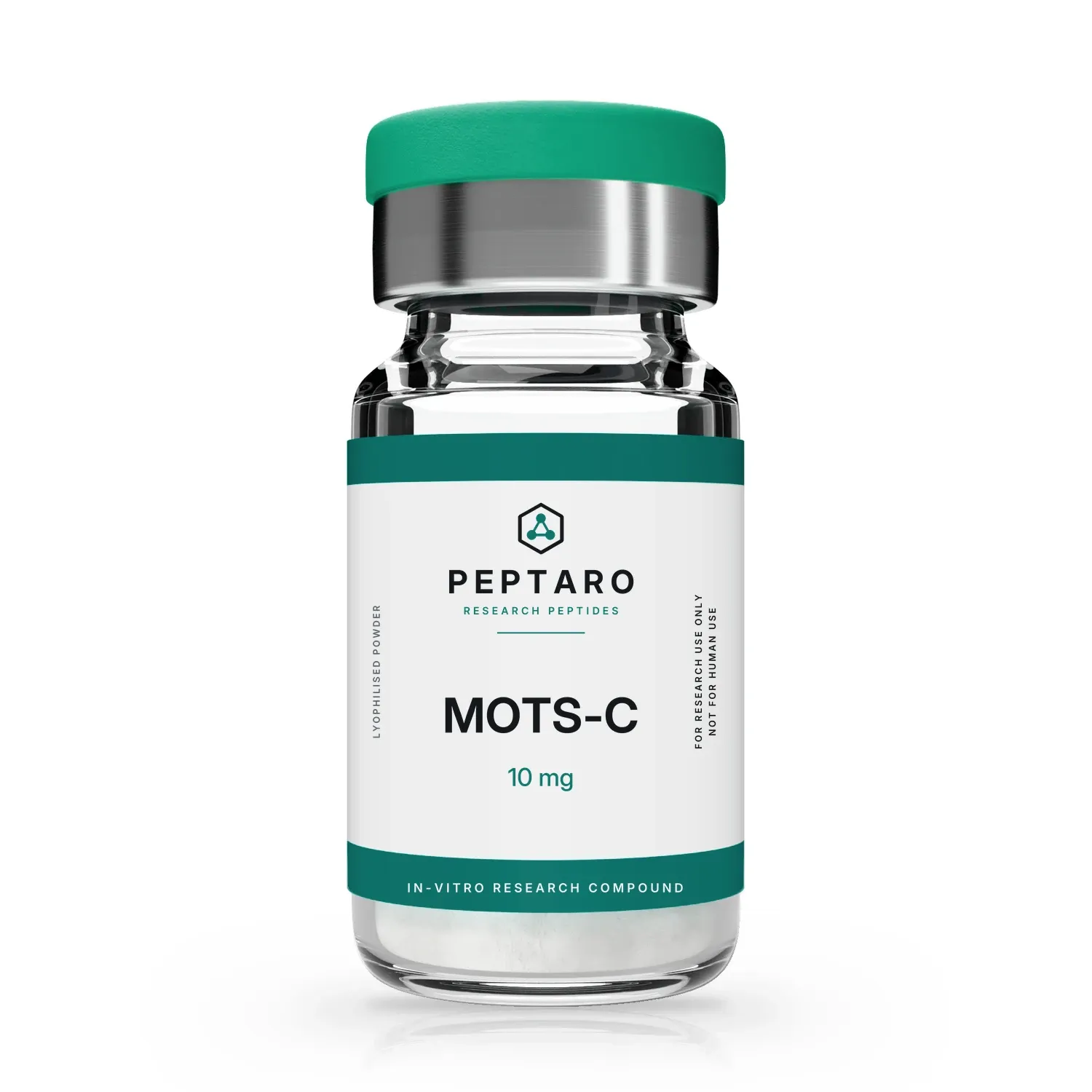
10mg · 40mg
In Stock · Ready to Ship
10mg · 40mg
In Stock · Ready to ShipResearch use only. For in-vitro laboratory research use only. Not for human or veterinary use. By continuing you confirm you are 18+ and purchasing for laboratory research.