CJC-1295 With DAC vs Without DAC: Research Comparison
Overview
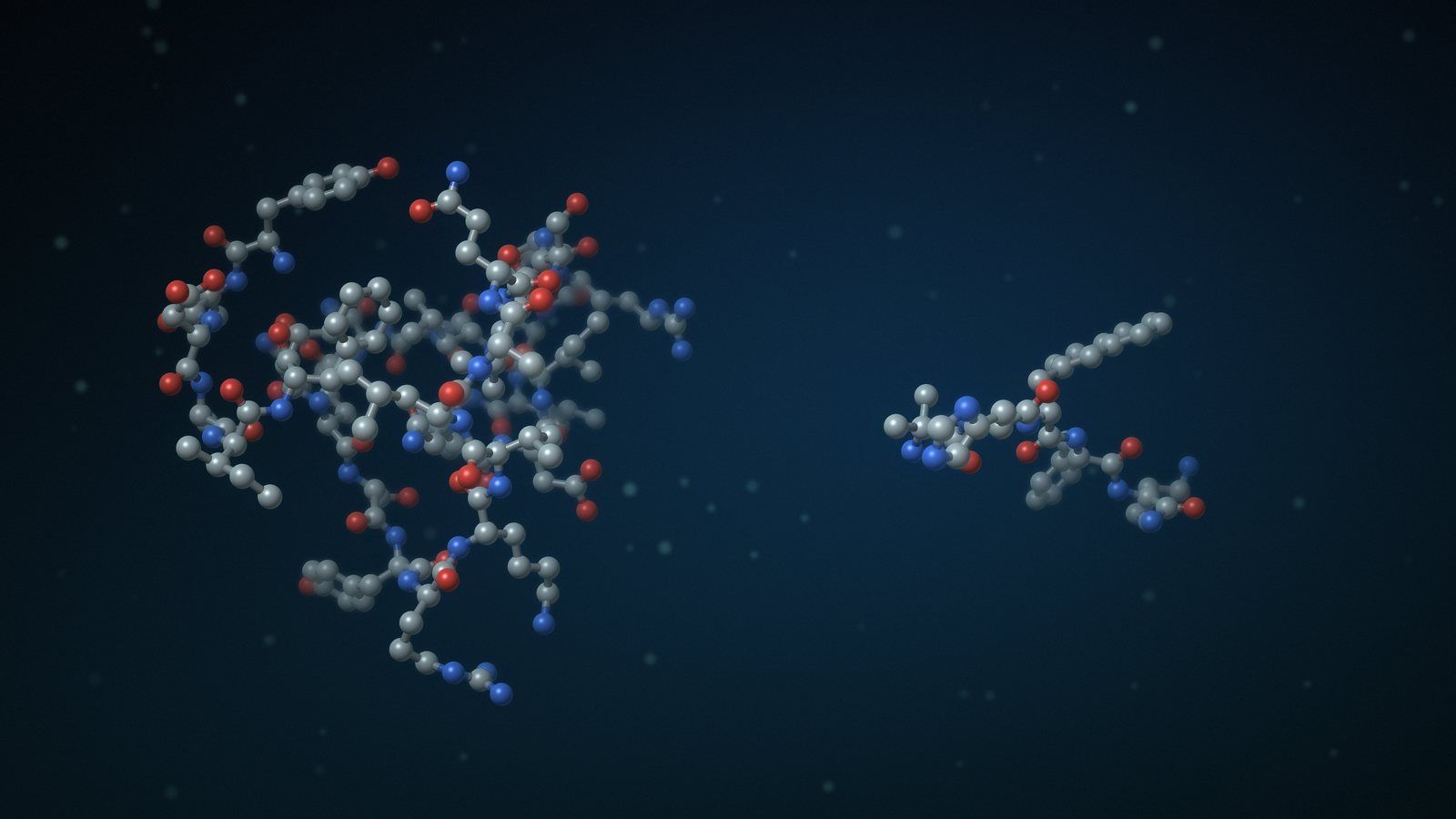
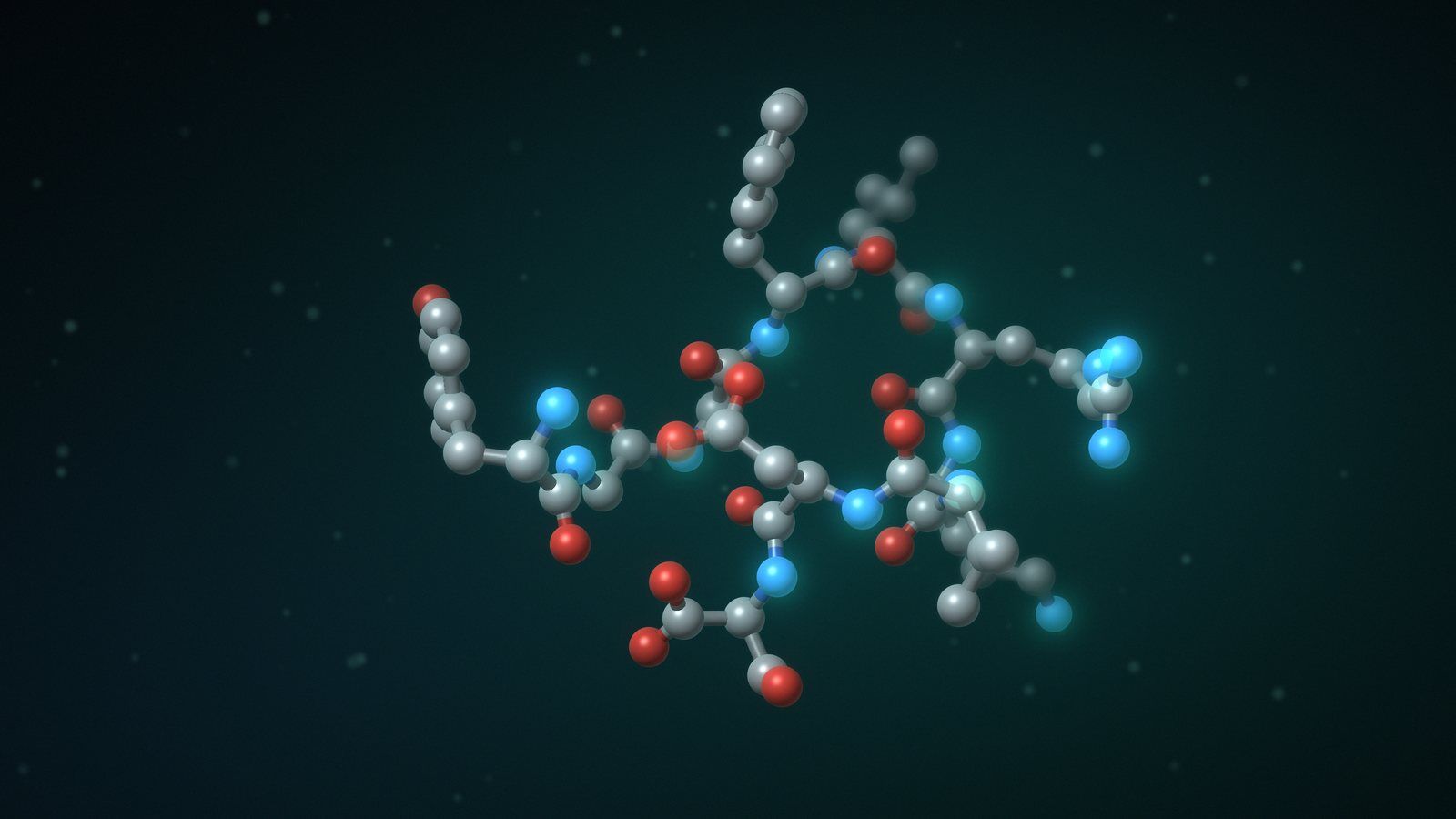
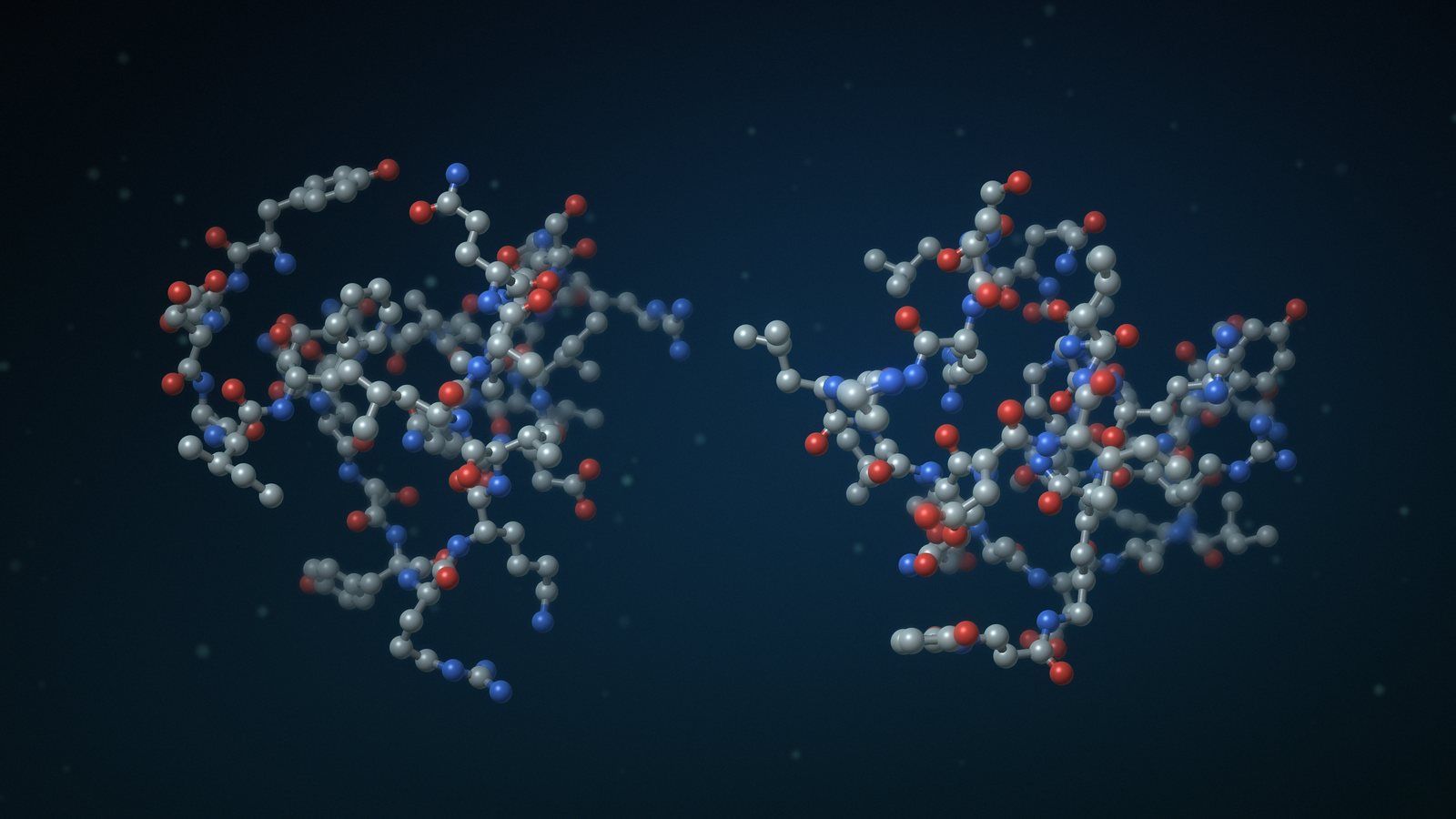
CJC-1295 exists in two distinct research forms with very different pharmacokinetic profiles. The 'without DAC' variant is a modified GHRH(1-29) analogue with a circulating half-life measured in tens of minutes, producing a pulsatile growth hormone research model. The 'with DAC' variant adds a Drug Affinity Complex moiety that binds covalently to circulating albumin, extending half-life to multiple days and producing a continuous GH elevation model. Both compounds share the same core GHRH receptor agonism, but the pharmacokinetic divergence has substantial experimental consequences.
Peptaro supplies both CJC-1295 with DAC and CJC-1295 without DAC as research-grade lyophilised powder.
CJC-1295 Without DAC: Modified GHRH(1-29)
The 'no DAC' variant of CJC-1295 is a modified GHRH(1-29) sequence with four amino acid substitutions designed to resist enzymatic degradation by dipeptidyl peptidase IV (DPP-IV) and other serum proteases. The substitutions are typically described as D-Ala at position 2, Gln at position 8, Ala at position 15, and Leu at position 27. These changes extend the serum half-life of the peptide from the minutes-range characteristic of native GHRH to a half-life on the order of 30 minutes in research models, still short enough to preserve a pulsatile signalling pattern at the GHRH receptor when administered intermittently.
CJC-1295 With DAC: The Drug Affinity Complex
The 'with DAC' variant adds a maleimidopropionic acid lysine moiety at the C-terminus of the modified GHRH(1-29) sequence. The maleimide group is reactive toward free cysteine thiols, and on injection it forms a covalent thioether bond with the free cysteine-34 residue of circulating serum albumin. The resulting albumin conjugate is too large for renal filtration and is protected from the proteolytic clearance that would otherwise rapidly remove the peptide. This albumin-tethering mechanism is the entire pharmacokinetic difference between the two forms.
Receptor Mechanism: Identical
Both variants bind the GHRH receptor on pituitary somatotrophs and stimulate growth hormone synthesis and release through the same cAMP-mediated signalling cascade. The receptor pharmacology is not the differentiator between the two forms. The differentiator is exclusively the duration of receptor engagement: short pulses with the no-DAC variant, continuous bathing of the receptor with the DAC variant.
Continuous vs Pulsatile GH Research Models
The pharmacokinetic divergence produces fundamentally different research models. CJC-1295 without DAC, when administered in a typical research protocol, produces discrete GH pulses with restoration of baseline between doses. This mimics the body's natural pulsatile GH secretion pattern and is suitable for research questions where the pulsatile architecture of GH signalling is important.
CJC-1295 with DAC, by contrast, produces continuous elevation of trough GH levels alongside preserved pulsatile peaks. Ionescu and Frohman reported in the Journal of Clinical Endocrinology and Metabolism in 2006 that pulsatile GH secretion was preserved after CJC-1295 with DAC administration, with the principal effect being a 7.5-fold increase in trough (basal) GH levels rather than disruption of pulse architecture. This is mechanistically important: chronic GH elevation studies often assume that pulsatility is lost, but the published data suggest both basal and pulsatile contributions can be examined simultaneously.
Research Applications
The no-DAC variant is selected when the research question requires preserved physiological pulsatility, controlled timing of GH exposure, or modelling of natural GHRH dynamics. The DAC variant is selected for chronic exposure studies, less-frequent dosing protocols, and research where sustained elevation of IGF-1 is the desired output. Both are commonly studied in combination with ghrelin receptor agonists such as Ipamorelin, where dual-pathway activation produces additive GH release. See the CJC-1295 vs Ipamorelin comparison for detail on the combined-pathway research model, and the Tesamorelin vs CJC-1295 GH secretagogue comparison for further context on alternative GH-releasing peptide tools.
Laboratory Handling
Both variants are supplied as lyophilised powder. Store at -20°C prior to reconstitution. Reconstitute with bacteriostatic water by slowly injecting the diluent down the inner wall of the vial and swirling gently. Never shake. Store the reconstituted solution at 2-8°C and use within 4 weeks. The two forms should not be combined in the same vial unless the research protocol specifically requires it, as the very different pharmacokinetics complicate dose-response interpretation.
Sourcing in the UK
Peptaro supplies research-grade CJC-1295 with DAC and CJC-1295 without DAC as lyophilised powder, each with its HPLC certificate published on the product page. The no-DAC batch carries a Janoshik Analytical report; the DAC batch is a supplier-reported analysis with independent verification pending. Same-day UK dispatch on orders placed before 3pm UK time, free tracked UK delivery on every order. For in-vitro laboratory research use only, not for human consumption.
Research use only. For in-vitro laboratory research use only. Not for human or veterinary use. This article summarises published preclinical literature for laboratory researchers and is not medical advice.