Semax vs Selank: Structure, Mechanism and Published Research Compared
Russian Nootropic Peptide Research Background
Semax and Selank are both synthetic heptapeptides developed at the Institute of Molecular Genetics of the Russian Academy of Sciences from the 1980s onward. They share a similar molecular weight and route of administration but derive from entirely different parent molecules and act on distinct biological pathways. Both have been classified as nootropic research compounds in Russian preclinical literature. Neither is approved for clinical use in the UK by the MHRA. Semax and Selank are supplied for in-vitro laboratory research only.
Semax: ACTH(4-10) Heptapeptide
Semax is a synthetic heptapeptide derived from the 4-10 fragment of adrenocorticotropic hormone (ACTH). The parent ACTH(4-10) sequence is known to have neurotropic effects distinct from the steroidogenic actions of full-length ACTH. Semax modifies this fragment by adding a Pro-Gly-Pro tail at the C-terminus, which stabilises the molecule against enzymatic degradation. The compound is studied in research models of neurotrophic factor expression, with particular interest in BDNF and NGF modulation, dopaminergic and serotonergic signalling, and cerebral ischaemia tolerance.
Selank: Tuftsin-Derived Heptapeptide
Selank is a synthetic heptapeptide derived from Tuftsin, a naturally occurring tetrapeptide produced by enzymatic cleavage of IgG heavy chains in the spleen. Selank extends the Tuftsin sequence with a Pro-Gly-Pro tail similar to that used in Semax. The parent Tuftsin sequence has documented immunomodulatory and anxiolytic activity, and Selank is studied primarily in research models of anxiety, GABAergic signalling, and immune modulation. Selank has been compared in Russian preclinical literature to benzodiazepine anxiolytics, but its mechanism is non-benzodiazepine and is thought to involve modulation of GABA receptor expression rather than direct receptor binding.
Mechanistic Differences
Despite structural similarities at the C-terminus, Semax and Selank act through different primary pathways. Semax research has focused on neurotrophic factor upregulation, particularly BDNF expression in the hippocampus, and on monoamine system modulation. Selank research has focused on GABAergic and immunoregulatory effects, with reported influence on serotonergic signalling secondary to its primary mechanism. In practical research terms, Semax models examine cognitive enhancement and neuroprotection while Selank models examine anxiolytic and stress-resilience outcomes.
Semax vs Selank at a Glance
Parent molecule: Semax is built on ACTH(4-10), a fragment of adrenocorticotropic hormone; Selank is built on tuftsin (Thr-Lys-Pro-Arg), an immunoglobulin G fragment.
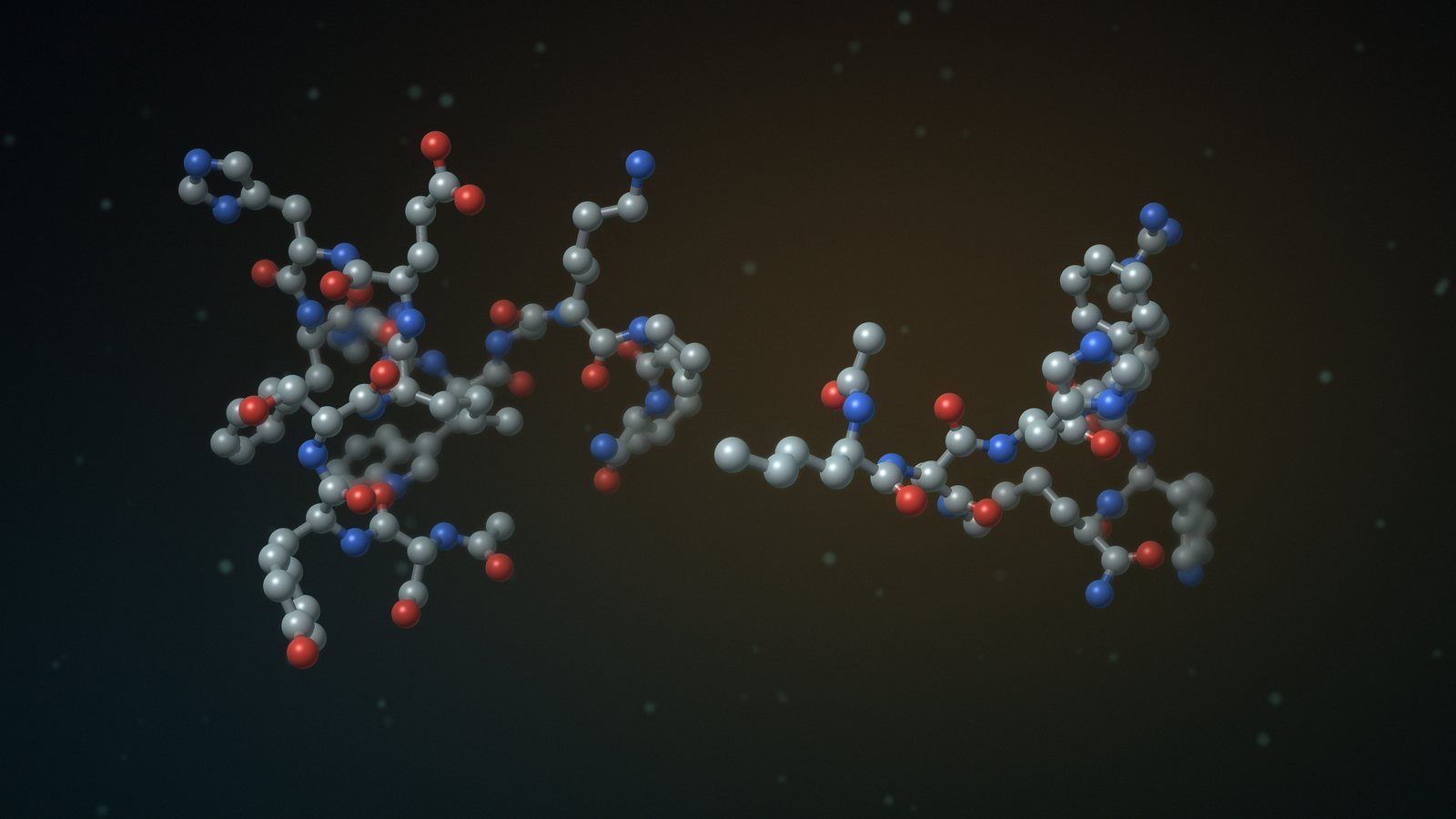
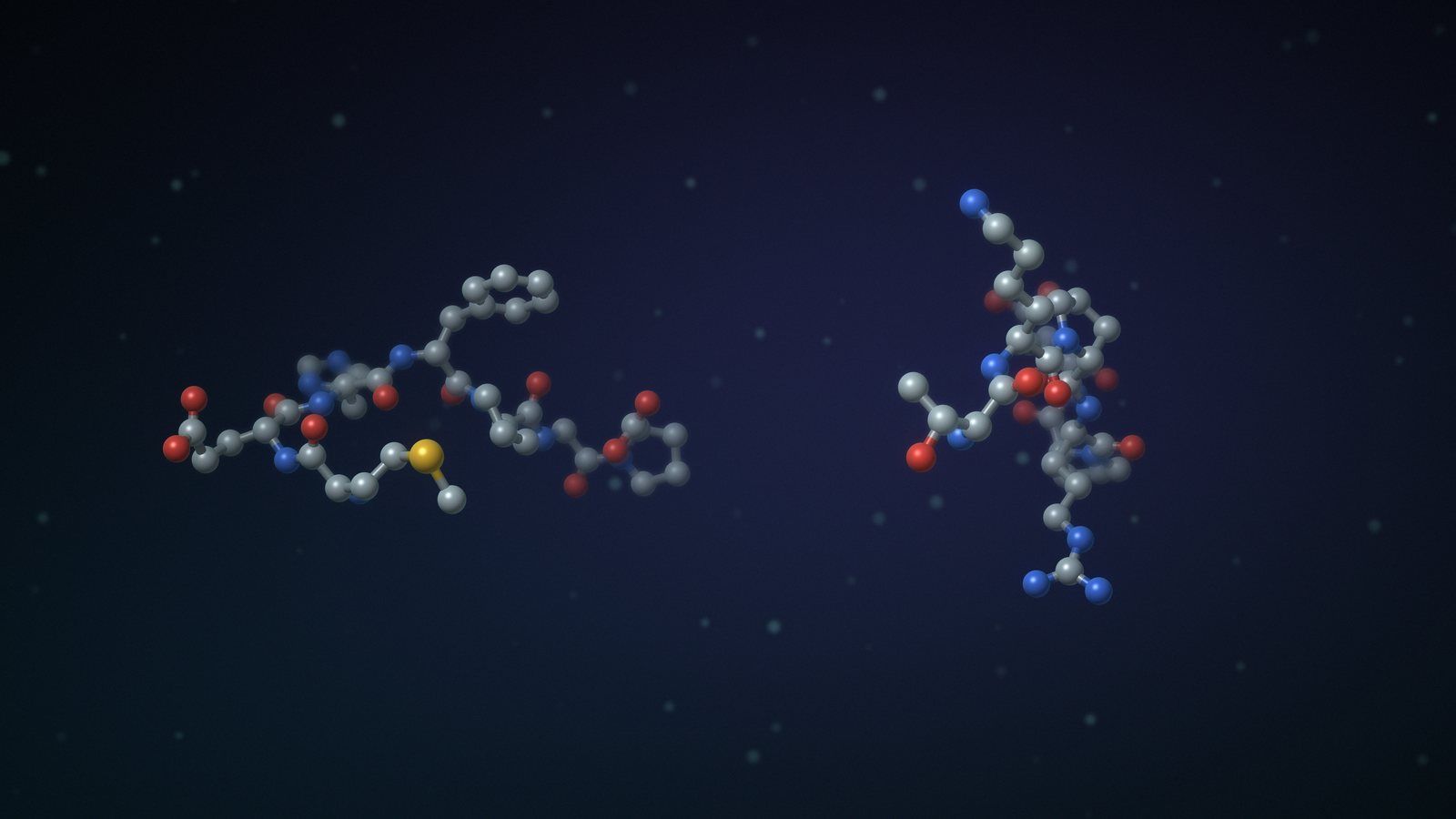
Sequence: Semax is Met-Glu-His-Phe-Pro-Gly-Pro (MEHFPGP); Selank is Thr-Lys-Pro-Arg-Pro-Gly-Pro (TKPRPGP). Both carry the same C-terminal Pro-Gly-Pro extension, added to slow enzymatic breakdown.
Molecular weight: Semax about 813.9 g/mol (C37H51N9O10S); Selank about 751.9 g/mol (C33H57N11O9).
Main research focus: Semax literature centres on neurotrophin expression (BDNF, TrkB) and ischaemia models; Selank literature centres on GABAergic gene expression, enkephalin metabolism and anxiety models.
Regulatory status: both are registered medicines in Russia only. Neither holds a UK, EU or US marketing authorisation, and both are supplied in the UK strictly as research compounds.
Key Published Studies
Semax: Dolotov and colleagues (Brain Research, 2006) reported that Semax increased BDNF and TrkB expression in the rat hippocampus, the most cited mechanistic paper on the compound. Tsai (Medical Hypotheses, 2007) proposed Semax as a candidate for attention-deficit research on the basis of that neurotrophin data; this was a hypothesis paper and no controlled trial in that setting has followed.
Selank: Zozulia and colleagues (Zh Nevrol Psikhiatr, 2008) compared Selank with medazepam in patients with generalised anxiety disorder and neurasthenia in Russia. Medvedev and colleagues (Zh Nevrol Psikhiatr, 2014) compared Selank with phenazepam on anxiolytic effect and tolerability. Volkova and colleagues (Frontiers in Pharmacology, 2016) reported changes in the expression of genes involved in GABAergic neurotransmission after Selank administration in rats.
The caveat applies to both: the literature is mostly Russian-language, comes from a small group of institutions, uses small samples and has little independent replication. It describes what was studied, not an established effect.
Research Applications
Semax has been studied in models of cerebral ischaemia, attention deficit, and cognitive performance. Selank has been studied in models of generalised anxiety, immune modulation, and stress response. The two are sometimes used in combination in research models examining cognitive performance under stress conditions, where their complementary mechanisms can be studied together.
Laboratory Handling
Both peptides are supplied as lyophilised powder. Store at -20°C prior to reconstitution. Reconstitute with bacteriostatic water by injecting slowly down the side of the vial. Both peptides are also formulated in some research settings as intranasal solutions due to good blood-brain barrier permeability, though the lyophilised research material supplied is intended for reconstitution by the researcher. Store reconstituted solutions at 2-8°C and use within 4 weeks.
Sourcing in the UK
Peptaro supplies research-grade Semax 10mg and Selank 10mg with third-party batch documentation shipped with every order. Same-day UK dispatch on orders placed before 3pm UK time. For in-vitro laboratory research use only. Vial sizes and pricing are listed on the Semax UK and Selank UK buy pages.
Research use only. For in-vitro laboratory research use only. Not for human or veterinary use. This article summarises published preclinical literature for laboratory researchers and is not medical advice.
Frequently asked questions
What is the difference between Semax and Selank?
They come from different parent molecules. Semax is a fragment of ACTH (adrenocorticotropic hormone) and its literature focuses on BDNF and TrkB expression. Selank is an analogue of tuftsin, an immunoglobulin fragment, and its literature focuses on GABAergic gene expression and enkephalin metabolism. Both share the same Pro-Gly-Pro tail and were developed at the Institute of Molecular Genetics in Moscow.
Is Semax or Selank better?
Neither is better in a general sense because they are studied for different things. Researchers investigating neurotrophin signalling usually work with Semax; those investigating GABAergic or anxiety models usually work with Selank. Pick the compound whose published mechanism matches your study design.
Has Semax been studied for ADHD?
Only at the hypothesis stage. Tsai (Medical Hypotheses, 2007) proposed Semax as a candidate for attention-deficit research based on rodent BDNF data. No randomised controlled trial of Semax in ADHD has been published, so there is no clinical evidence either way.
What did the Selank anxiety studies look at?
Two Russian clinical papers are cited most: Zozulia and colleagues (2008) compared Selank with medazepam in generalised anxiety disorder and neurasthenia, and Medvedev and colleagues (2014) compared it with phenazepam on anxiolytic effect and tolerability. Both are small, Russian-language studies without independent replication outside Russia.
Can Semax and Selank be studied together?
Yes. Because they act through different pathways, some research designs pair them to study cognitive measures under stress conditions. Each should be reconstituted and stored separately unless your protocol specifically uses a pre-formulated blend.
Is N-acetyl Semax amidate the same as Semax?
No. N-acetyl Semax amidate adds an N-terminal acetyl group and a C-terminal amide to the Semax sequence, which changes its mass and stability. It is a distinct compound with its own, much smaller literature, so findings for one should not be attributed to the other.
Are Semax and Selank legal to buy in the UK?
Neither is a controlled drug in the UK, and neither holds an MHRA marketing authorisation. Peptaro supplies both as lyophilised research compounds for in-vitro laboratory use only, with the certificate of analysis on each product page.