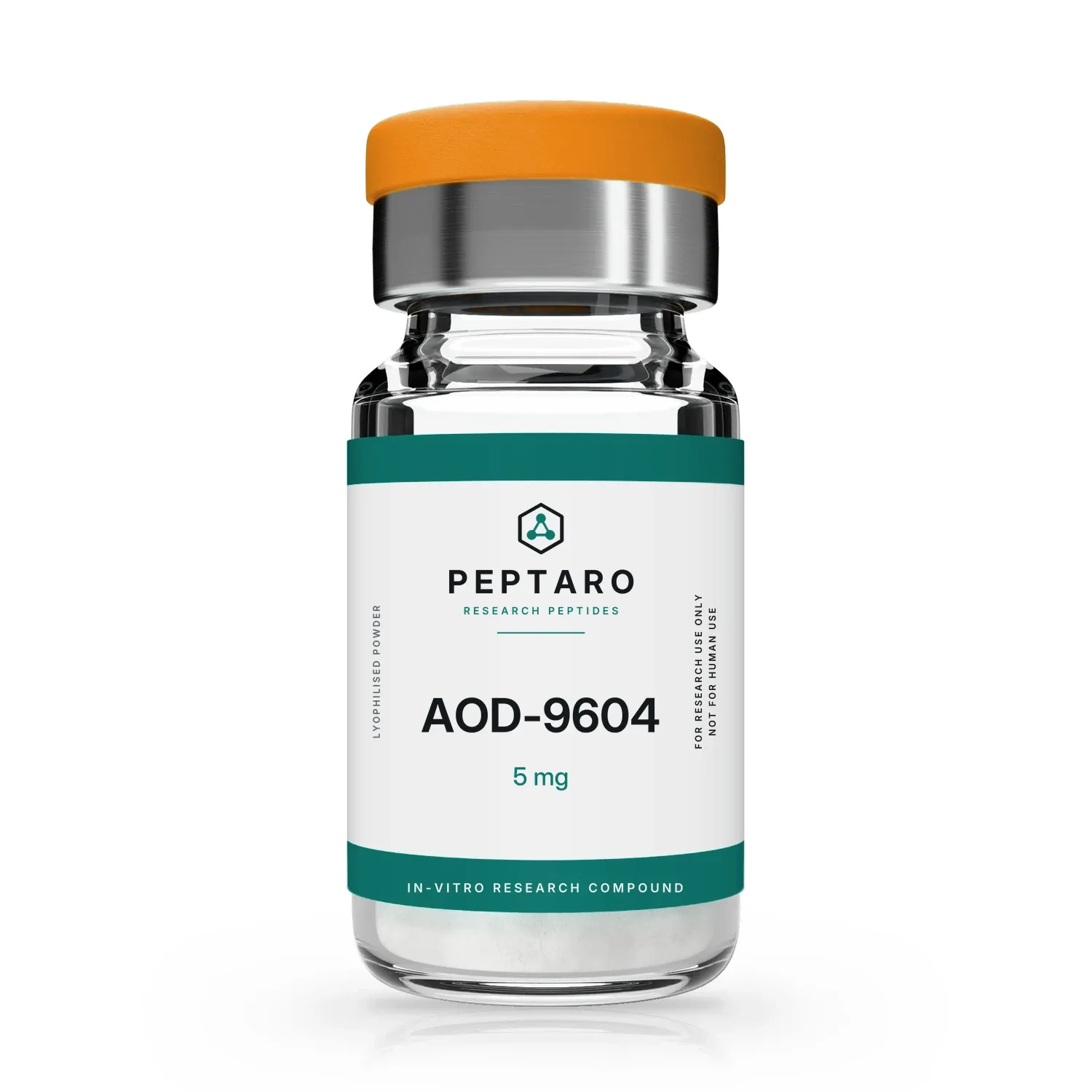
AOD-9604
5mg
In Stock · Ready to Ship£34.99£7.00/mg
99.8% RP-HPLCJanoshikBatch UKPL-781
£9.95£1.99/mg
In Stock · Ready to Ship
Minimum order £299.00 per basket: mix any products. Research kits meet it on their own.
Dispatched same day if ordered by 3pm (Mon–Fri) · Royal Mail Tracked 24
| Vials in basket | Per vial | Saving |
|---|---|---|
| 1–2 | £9.95 | — |
| 3+ | £9.45 | 5% |
| 5+ | £9.15 | 8% |
| 10+ | £8.76 | 12% |
Discounts are basket-wide: mix any vials.
Documentation for each item ships with your order.
For in-vitro laboratory research use only. Not for human or veterinary use.
Documentation for each item ships with your order. The batch number printed on your vial matches it.
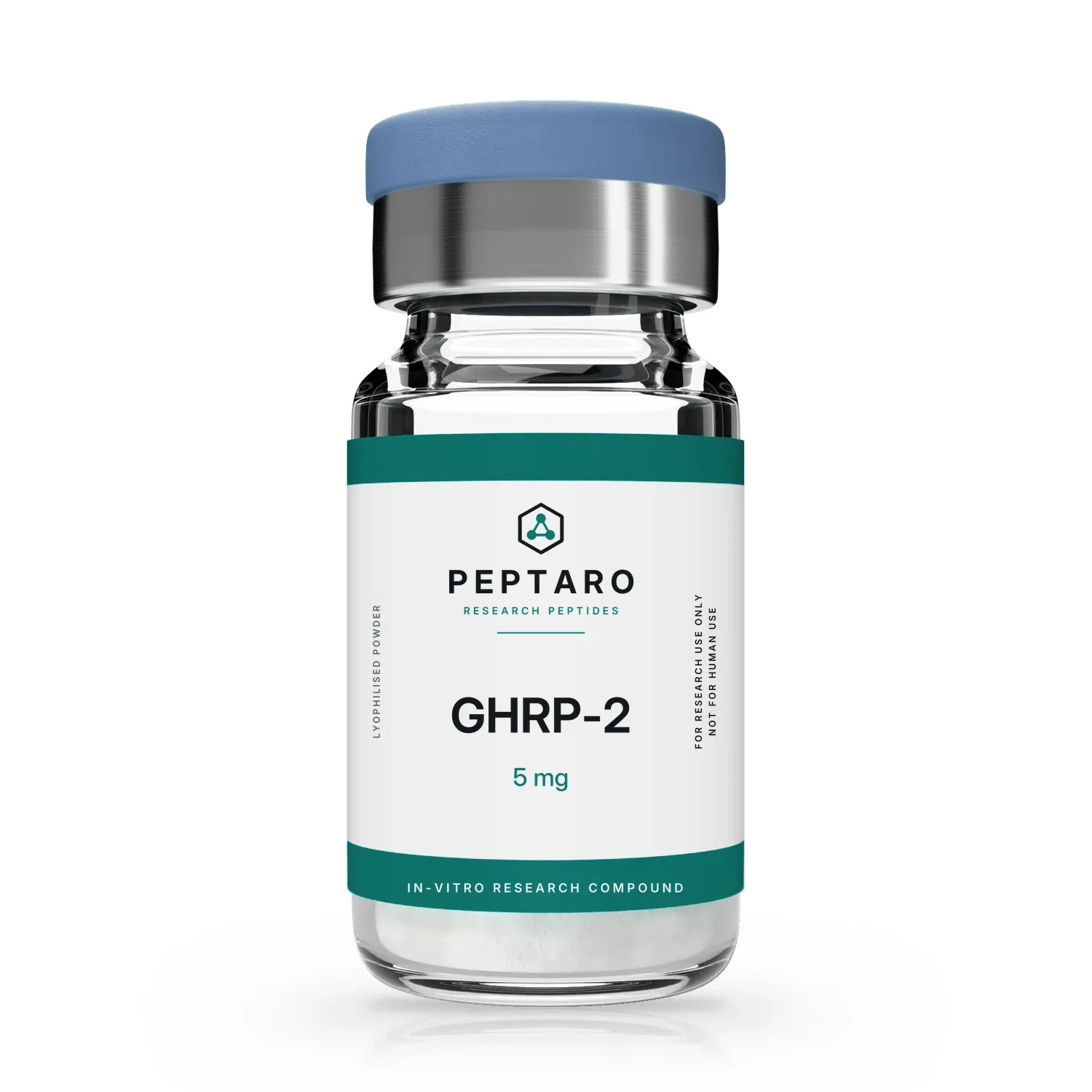
GHRP-2 (pralmorelin) is a synthetic hexapeptide growth hormone secretagogue and an agonist at the ghrelin/growth hormone secretagogue receptor (GHS-R1a). Research has examined its potent stimulation of pulsatile growth hormone release at the pituitary somatotroph, its distinct mechanism from GHRH analogues, and its frequent co-investigation with GHRH peptides in studies of the growth hormone axis. Supplied as lyophilised powder, supplier-reported analysis, certificate published on this page.
GHRP-2, also written GHRP2, is a synthetic six-amino-acid peptide that activates the ghrelin receptor, GHS-R1a. In the clinical literature it is called pralmorelin, development code KP-102. Each GHRP-2 5mg vial holds white lyophilised powder.
Its first two residues are D-alanine and D-2-naphthylalanine, an unnatural aromatic amino acid. These D-residues protect the chain from aminopeptidase cleavage. The rest of the sequence, Ala-Trp-D-Phe-Lys-NH₂, is shared with GHRP-6.
As pralmorelin, GHRP-2 has been used in Japan as a diagnostic agent when assessing growth hormone deficiency. It holds no marketing authorisation in the UK.
Laferrère and colleagues called GHRP-2 a valuable tool for studying ghrelin effects on eating behaviour. Beyond the appetite and diagnostic work, controlled human data are sparse. GHRP-2 is not an approved therapeutic agent in any jurisdiction.
Both are hexapeptides that act on GHS-R1a, and they differ only at positions 1 and 2. GHRP-6, the original Bowers compound, starts His-D-Trp. GHRP-2 starts D-Ala-D-2-Nal. Molecular weight tells them apart: 818.0 g/mol for GHRP-2 and 873.0 g/mol for GHRP-6. The hunger effect is often linked to GHRP-6, yet the controlled human food-intake study in this class used GHRP-2.
GHRP-2, also written GHRP2 or GHRP 2 and known in the clinical literature as pralmorelin (development code KP-102), is a synthetic hexapeptide growth hormone secretagogue with the sequence D-Ala-D-2-Nal-Ala-Trp-D-Phe-Lys-NH₂, molecular formula C₄₅H₅₅N₉O₆, molecular weight 817.9 g/mol and CAS number 158861-67-7. The design logic is visible in the sequence: D-alanine at position 1 and the unnatural aromatic D-2-naphthylalanine at position 2 protect the backbone from aminopeptidase cleavage while presenting the aromatic pharmacophore the receptor recognises, and the C-terminal lysine amide completes a motif shared across the growth hormone releasing peptide family. That receptor is GHS-R1a, the growth hormone secretagogue receptor, and its identification is a textbook example of reverse pharmacology, Howard and colleagues (Science, 1996) cloned the orphan G-protein-coupled receptor from pituitary and hypothalamus using peptides of exactly this class as the pharmacological probe, three years before ghrelin was identified as the endogenous ligand. GHRP-2 is therefore accurately described as a ghrelin-receptor agonist that predates the discovery of ghrelin itself. Human pharmacology exists but is narrow. Laferrère and colleagues (J Clin Endocrinol Metab, 2005) reported that GHRP-2 infusion increased ad libitum food intake in healthy young men in a dose-dependent manner, behaving like ghrelin, which established the peptide as a standard pharmacological tool in ghrelin-pathway appetite research. Separately, pralmorelin has been used in Japan as a diagnostic agent in the assessment of growth hormone deficiency, a regulatory history that distinguishes it from most compounds in this class. It should be stated plainly that GHRP-2 holds no marketing authorisation from the MHRA or any other regulator as a therapeutic product, and the wider claims attached to the GHRP family online run far ahead of the controlled findings summarised here. This vial contains 5mg of GHRP-2 as a white lyophilised powder, batch UKPL-781 at 99.8% purity by RP-HPLC with the certificate of analysis published on this page, supplied strictly for in-vitro laboratory research use only.
Keep sealed vials at -20°C, away from light and moisture. After reconstitution, keep the solution at 2-8°C and use it within 4 weeks, or freeze single-use aliquots at -20°C. The tryptophan at position 4 is the residue most prone to oxidation, so keep solutions away from light.
Vials are sold on their own, without bacteriostatic water for mixing or other supplies.
How to reconstitute and handle
Bring the vial to room temperature and swab both stoppers with alcohol. Run bacteriostatic water slowly down the inside wall of the vial, then swirl until the powder dissolves. Do not shake or vortex. GHRP-2 dissolves readily and gives a clear, colourless solution. Do not use a vial that stays cloudy or shows particles. Label it with the reconstitution date.
For the full method, see the peptide reconstitution guide and the reconstitution calculator.
Published research on GHRP-2 is indexed on PubMed. See our full UK buyer's guide for GHRP-2.
| CAS number | 158861-67-7 |
|---|---|
| Molecular formula | C₄₅H₅₅N₉O₆ |
| Molecular weight | 818.0 g/mol |
| Sequence | D-Ala-D-2-Nal-Ala-Trp-D-Phe-Lys-NH₂ |
| Form | Lyophilised powder |
| Appearance | White lyophilised powder |
| Release specification | ≥98.0% |
| Storage | -20°C lyophilised, 2-8°C reconstituted |
Store sealed lyophilised vials at −20 °C, protected from light and moisture. For preparation, aliquoting and storage of reconstituted stock, see the laboratory reconstitution guide and the concentration calculator.
GHRP-2 is an agonist of the growth hormone secretagogue receptor GHS-R1a. The receptor itself was cloned from pituitary and hypothalamus by Howard and colleagues (Science, 1996) using peptides of this class as the pharmacological probe, and ghrelin was subsequently identified as its endogenous ligand. In human physiology research, Laferrère and colleagues (J Clin Endocrinol Metab, 2005) reported that GHRP-2 infusion increased ad libitum food intake in healthy men dose-dependently, behaving like ghrelin. These are published research findings, not evidence of any therapeutic effect.
The two hexapeptides differ at positions 1 and 2: GHRP-2 begins D-Ala-D-2-Nal, whereas GHRP-6 begins His-D-Trp, and both share the Ala-Trp-D-Phe-Lys-NH₂ remainder and the same receptor, GHS-R1a. Comparative literature has generally reported GHRP-2 as the more potent growth hormone releaser of the two, while laboratory lore attaches the appetite effect to GHRP-6, though the controlled human food-intake data summarised here was actually generated with GHRP-2 (Laferrère et al., 2005). Most comparative claims trace to early in-vitro and animal work rather than head-to-head human trials, and researchers should read them with that limitation in mind.
Yes, but narrowly. The best-characterised human finding is that of Laferrère and colleagues (J Clin Endocrinol Metab, 2005), a controlled study in which GHRP-2 infusion increased ad libitum food intake in healthy young men in a dose-dependent manner. Under the name pralmorelin, the compound has also been used in Japan as a diagnostic agent in growth hormone deficiency assessment. Neither fact makes it a licensed medicine in the UK: it holds no MHRA marketing authorisation, and no adequately powered trial supports any therapeutic claim.
Yes. Growth hormone releasing peptides are named among the growth hormone secretagogues in section S2 of the WADA Prohibited List, with GHRP-2 (pralmorelin) cited explicitly, and are prohibited at all times, both in and out of competition. Athletes subject to anti-doping testing should treat GHRP2 accordingly.
GHRP-2 may be purchased in the UK as a research chemical for in vitro laboratory use only. It is not an approved or licensed medicine and is not supplied for human consumption, veterinary use, or any therapeutic purpose. Each vial contains 5mg of lyophilised GHRP-2, batch UKPL-781 stated at 99.8% purity by RP-HPLC on a supplier-reported certificate of analysis published on the product page, with independent verification pending. Purchasers must be 18 or over and confirm research-only use at checkout.
Peptaro sells GHRP-2 5mg from UK stock, batch UKPL-781. Orders placed before 3pm UK time on a working day are dispatched the same day.
Not yet. Batch UKPL-781 is stated at 99.8% purity by RP-HPLC on a supplier-reported certificate of analysis. The full certificate is published on the product page with independent third-party verification pending, so you can read it before you order.
GHRP-2 is a reference ghrelin-receptor agonist in receptor and secretagogue assays. It is also a tool in ghrelin-pathway appetite research, following the 2005 Laferrère study in healthy men. As pralmorelin, it has a diagnostic history in Japan in growth hormone deficiency testing.
-20°C lyophilised, 2-8°C reconstituted. For preparing and aliquoting stock solutions, see the laboratory reconstitution guide.
Orders placed by 3pm Monday to Friday (excluding bank holidays) are dispatched the same working day by Royal Mail Tracked 24. Delivery is free, tracked and cold-packed. The minimum order is £299.
5mg
In Stock · Ready to Ship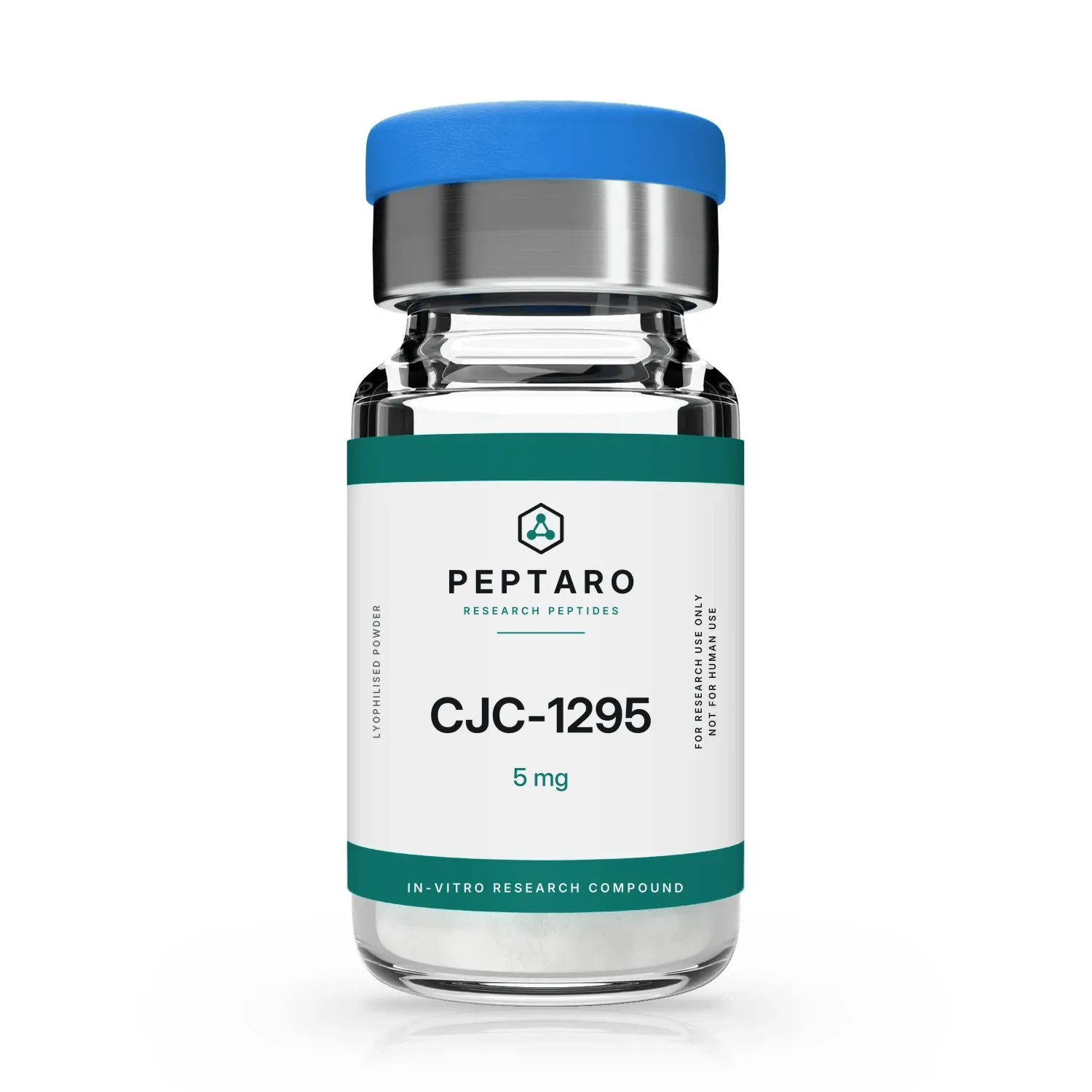
5mg
In Stock · Ready to Ship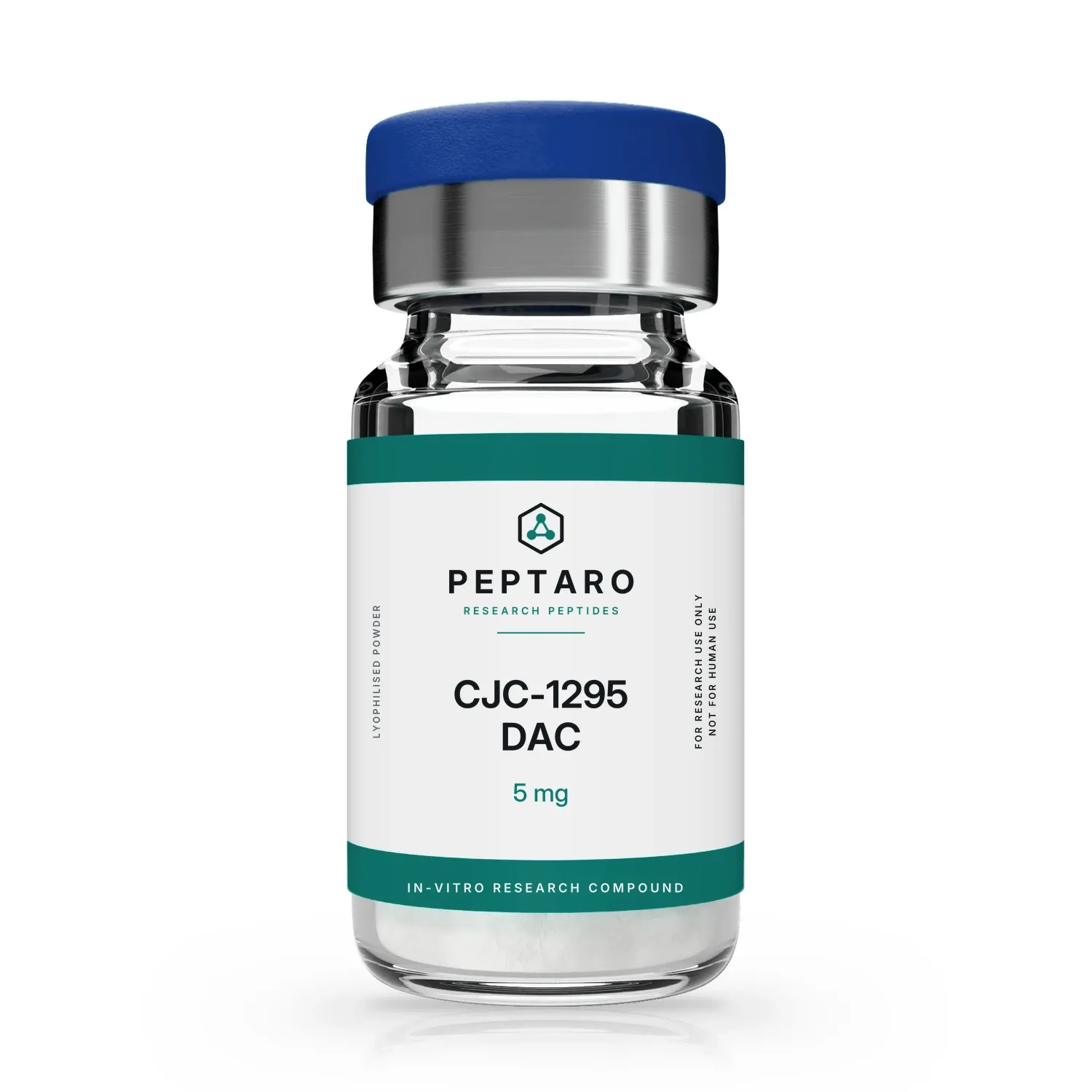
5mg
In Stock · Ready to Ship
5+5mg · 10+10mg
In Stock · Ready to ShipResearch use only. For in-vitro laboratory research use only. Not for human or veterinary use. By continuing you confirm you are 18+ and purchasing for laboratory research.