KLOW vs GLOW: What Adding KPV Changes
What is KLOW?
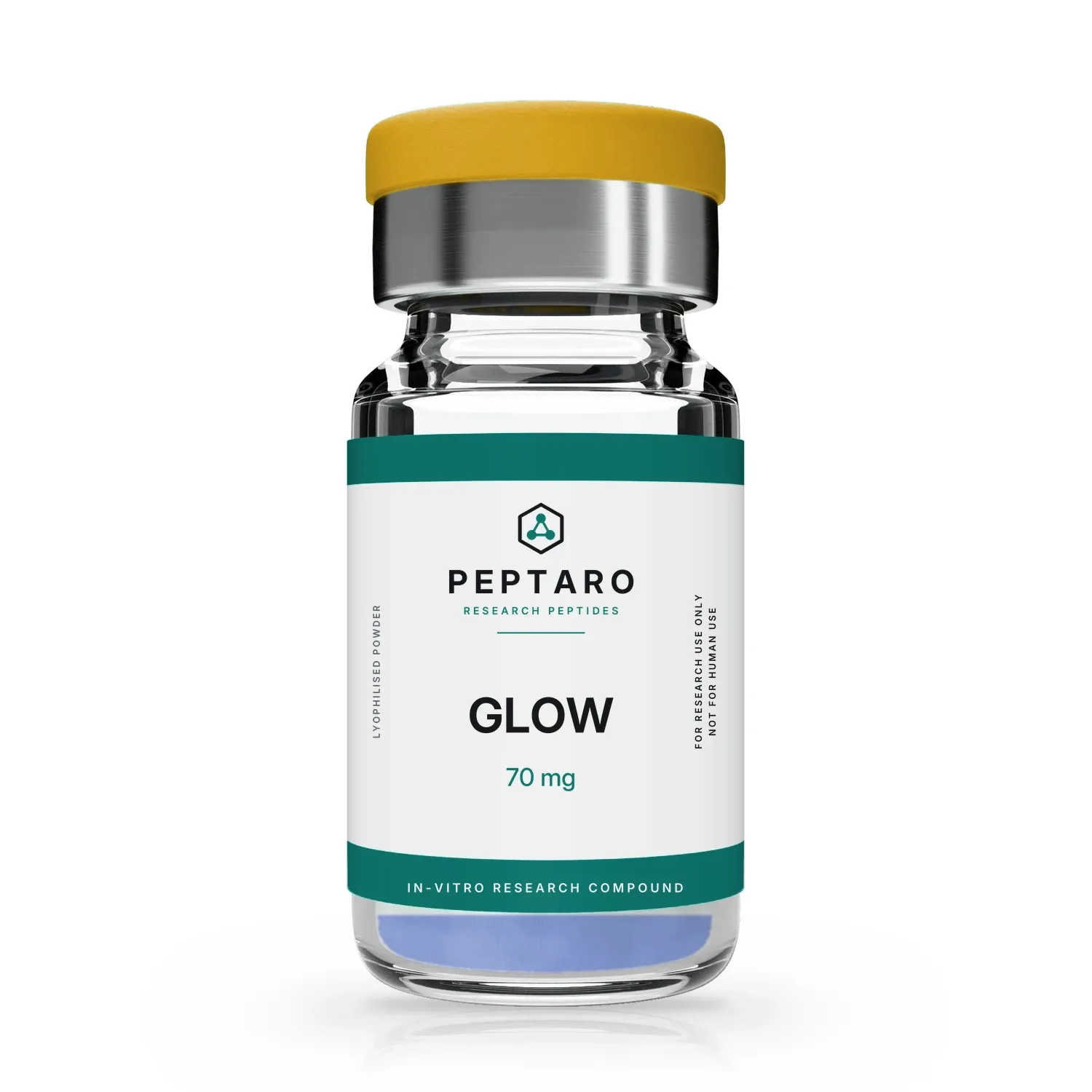
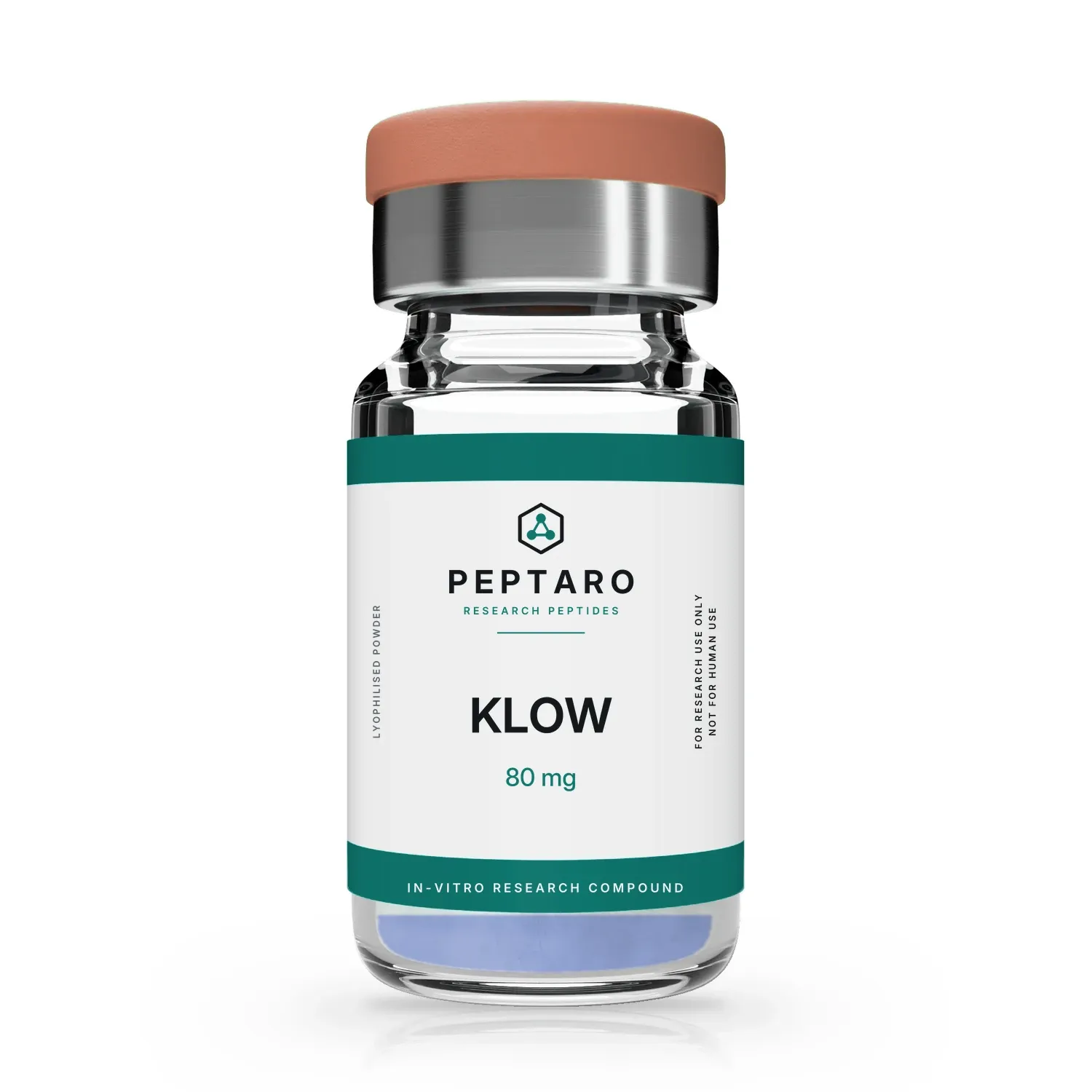
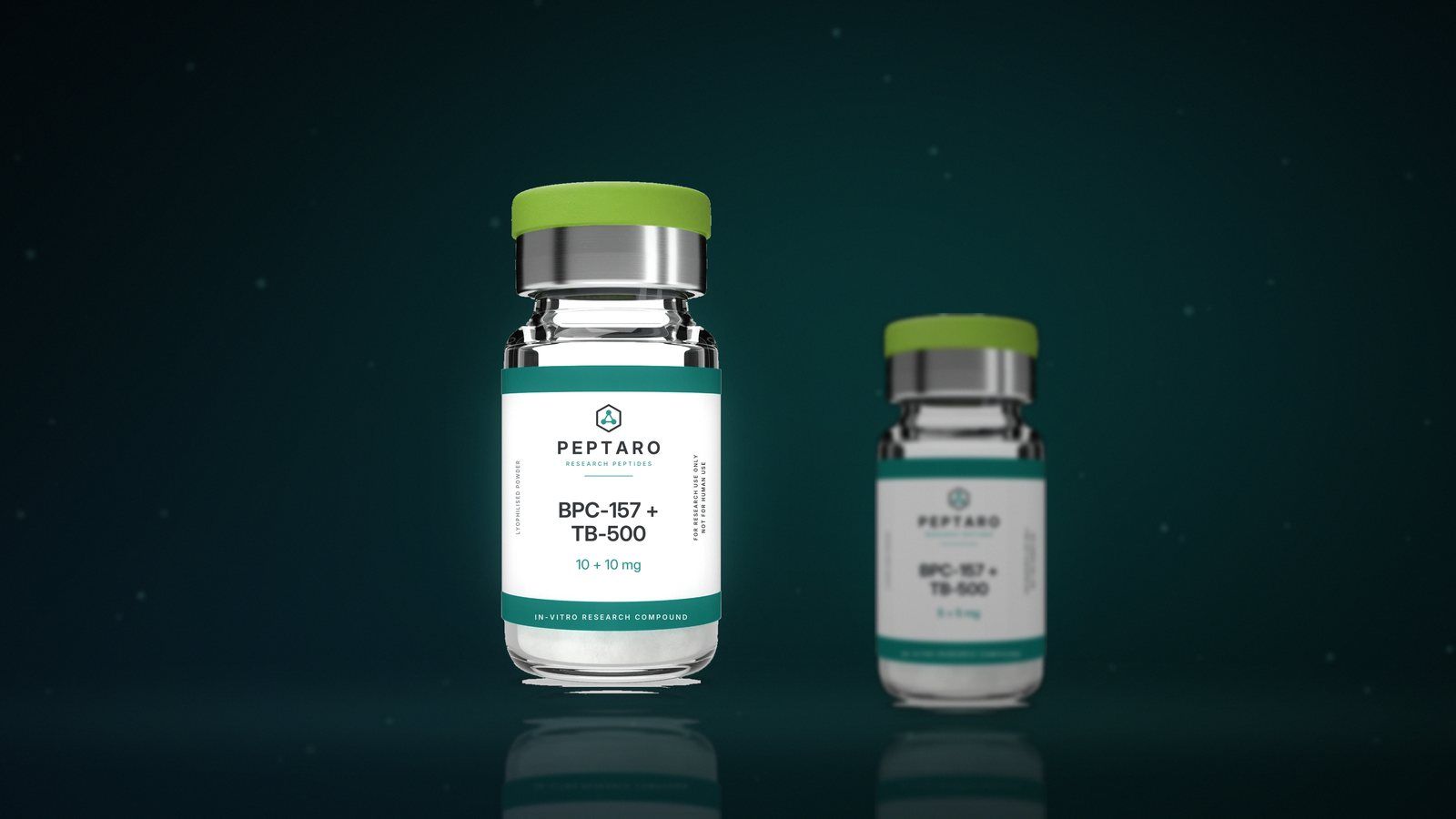
KLOW is a pre-blended four-peptide research vial containing KPV (10 mg), BPC-157 (10 mg), TB-500 (10 mg), and GHK-Cu (50 mg), supplied as a single lyophilised powder for one-step reconstitution. KLOW extends the three-peptide GLOW blend by adding KPV, an anti-inflammatory tripeptide derived from the C-terminal of alpha-melanocyte-stimulating hormone. The result is a research blend covering both the regenerative-peptide research axis of GLOW and the mucosal and gut-inflammation research axis associated with KPV.
Peptaro supplies KLOW with third-party HPLC documentation reporting measured content for each component, with blend purity not reported.
KLOW vs GLOW: What KPV Adds
GLOW combines BPC-157, TB-500, and GHK-Cu, the three most commonly co-investigated peptides in tissue-repair and matrix-remodelling research. KLOW adds KPV (lysine-proline-valine), a tripeptide with a different mechanism, namely suppression of nuclear factor kappa B (NF-κB) signalling and reduction of pro-inflammatory cytokine expression in research models.
KPV research has focused on gastrointestinal inflammation models including ulcerative colitis and chemically induced colitis, where the parent peptide α-MSH and its C-terminal fragment have demonstrated anti-inflammatory activity through both melanocortin-dependent and partially melanocortin-independent pathways. See the KPV anti-inflammatory tripeptide research guide for full mechanism detail.
Where GLOW covers connective-tissue and ECM remodelling research, KLOW extends that into mucosal and barrier-immunity research by adding a directly anti-inflammatory tripeptide.
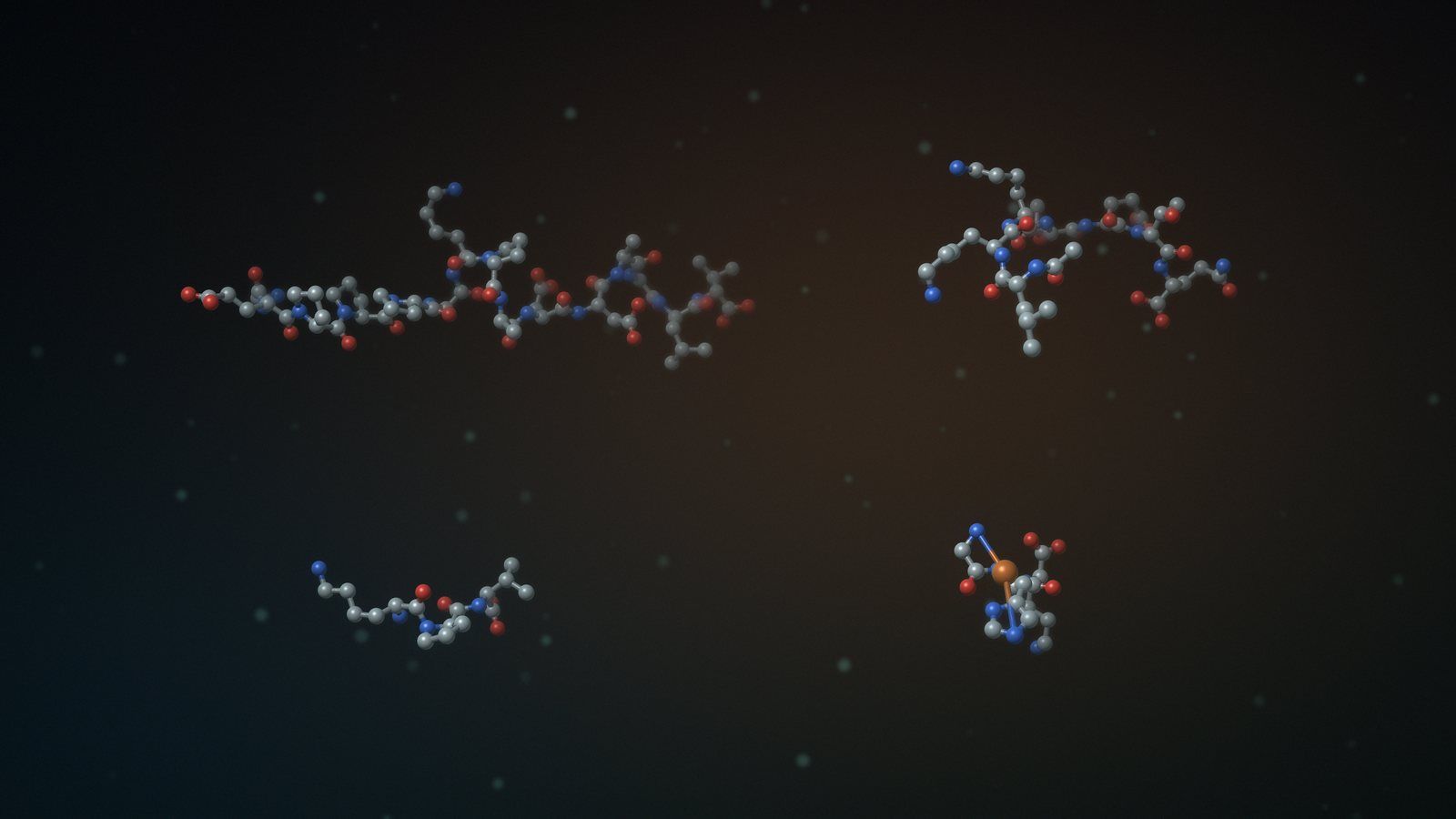
The Four Component Peptides
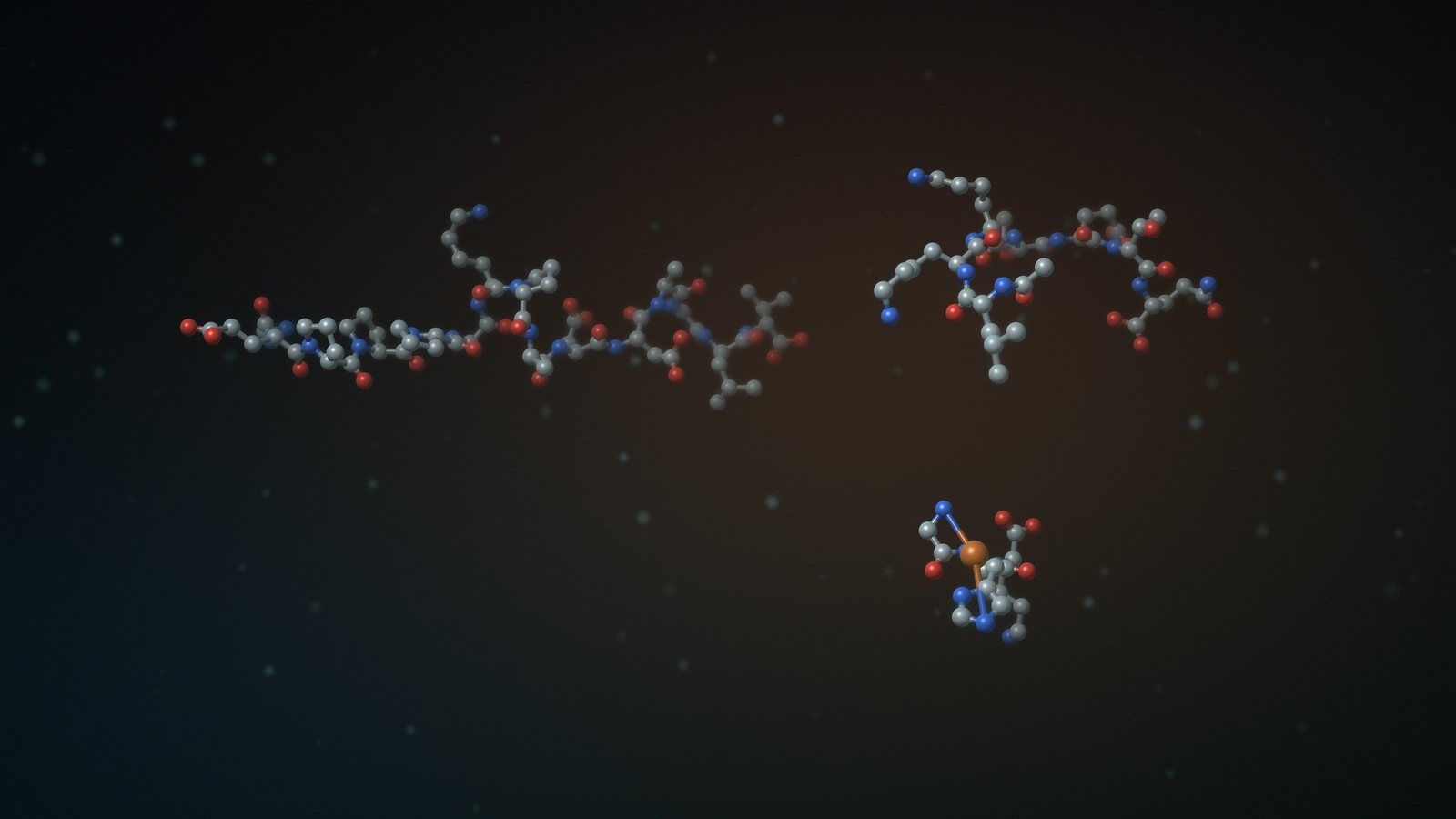
KPV (3 amino acids, lysine-proline-valine) corresponds to α-MSH(11-13) and is studied for anti-inflammatory effects through NF-κB modulation. See the KPV research guide.
BPC-157 (15 amino acids) is a synthetic pentadecapeptide studied in tissue-repair and angiogenesis research. See the BPC-157 research guide.
TB-500 (17 amino acids in the active fragment) is a synthetic peptide derived from Thymosin Beta-4 and studied in cell-migration and actin-regulation research. See the BPC-157 and TB-500 research overview for context on combined repair-research protocols.
GHK-Cu (3 amino acids plus copper) is a copper-binding tripeptide studied in collagen synthesis and matrix remodelling research. See the GHK-Cu copper peptide research guide.
Research Applications
KLOW is studied in research models that require both regenerative and anti-inflammatory mechanisms in parallel: gut and mucosal repair models, skin and connective-tissue research where inflammatory signalling is also relevant, and broad multi-pathway tissue-repair screening protocols. The four-peptide composition produces overlapping mechanistic coverage rather than a single isolated effect, which is appropriate for combined-pathway research questions and less appropriate for single-mechanism dose-response studies.
Laboratory Handling
KLOW is supplied as a single 80 mg lyophilised vial. Store at -20°C prior to reconstitution. Reconstitute with bacteriostatic water by slowly injecting the diluent down the inner wall of the vial and swirling gently. Never shake. Store the reconstituted solution at 2-8°C and use within 4 weeks. The GHK-Cu component will produce a characteristic blue colour in solution, which is normal. See the peptide reconstitution guide for detailed methodology.
Sourcing in the UK
Peptaro supplies research-grade KLOW as a pre-blended lyophilised vial with full third-party HPLC documentation reporting measured content for each individual component, with blend purity not reported. Same-day UK dispatch on orders placed before 3pm UK time, free tracked UK delivery on every order. For in-vitro laboratory research use only, not for human consumption. Vial sizes and pricing are listed on the KLOW UK buy page.
Research use only. For in-vitro laboratory research use only. Not for human or veterinary use. This article summarises published preclinical literature for laboratory researchers and is not medical advice.